
>

Top 10 Sleeping Bag Manufacturers for Global Buyers

For global buyers, choosing a Sleeping Bag manufacturer is about more than comparing prices or familiar brand names. A reliable partner must match intended use, climate, construction, and target market. A lightweight down bag for alpine trips has different demands from a durable synthetic model for damp campsites. Small details matter: zipper placement, hood shape, insulation distribution, and the feel of the lining against skin.

Outdoor-industry pioneer Yvon Chouinard’s principle, “The more you know, the less you need,” offers a useful lens for evaluating suppliers. Buyers should understand what each product is designed to do before comparing catalogs. Ask about temperature-rating methods, fill materials, shell fabrics, quality checks, and production capacity. Request clear specifications and, where possible, samples. A polished brochure is useful, but it cannot replace hands-on assessment. Fit matters. So does consistency between samples and bulk orders.

This guide introduces ten Sleeping Bag manufacturers for international buyers, with attention to product range, manufacturing strengths, and practical sourcing considerations. The aim is not to declare one universal winner. A specialist serving expedition brands may not suit a retailer seeking broad, value-focused collections. Nor can any shortlist capture every regional supplier or changing factory capability. That is a limitation worth acknowledging. Use these profiles as a starting point, then verify current certifications, lead times, customization options, and communication standards directly with each company. A careful comparison takes time. It can also prevent costly surprises when the first shipment arrives.
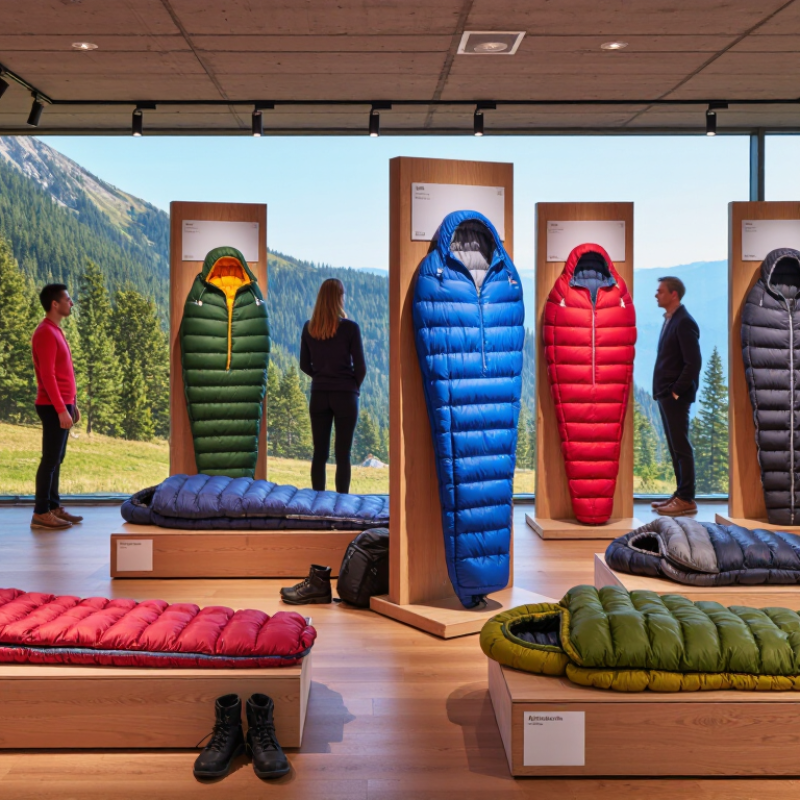
Top 10 Sleeping Bag Manufacturers for Global Buyers

Global Sleeping Bag Manufacturing: ISO 23537 and Its Three Temperature Ratings

Global Sleeping Bag Manufacturing: ISO 23537 and Its Three Temperature Ratings

For global buyers, a temperature label is only useful when its test method is clear. ISO 23537-1:2022 sets requirements and laboratory test procedures for adult sleeping bags. Its method uses a heated thermal manikin in controlled conditions to assess insulation. Results produce three distinct ratings, not one universal “safe” temperature.

The Comfort rating estimates the lower temperature at which a standard woman can sleep comfortably in a relaxed position. Limit estimates the lower temperature for a standard man sleeping curled up. Extreme indicates a survival-risk boundary, not a temperature for routine use. These definitions come from the ISO 23537-1:2022 testing framework; they are not promises about every sleeper’s experience.

Useful, not magic. A rating cannot fully capture wind, damp ground, fatigue, or a person’s cold sensitivity. Buyers comparing products should check that the figures come from an ISO-based test report, then match the rating to expected conditions. A bag marked for a chilly night may feel inadequate on wet ground. That gap matters. Standardized figures help with comparison, but they still need practical judgment.

How to Compare Manufacturers by Fill Power, Fill Weight, and Shell Denier

When comparing sleeping bag manufacturers, treat fill power and fill weight as separate measures. Fill power describes how much space a given amount of down can loft into; higher numbers can provide more loft with less material. Fill weight tells you how much insulation is actually inside the bag. A high fill-power figure alone does not guarantee a warm product. Check the fill weight, bag shape, and temperature-testing method together. Numbers need context. Ask whether the quoted fill weight applies to a specific size, since larger bags usually require more insulation.

Shell denier indicates yarn thickness and offers a rough clue to fabric durability, not a complete measure of performance. A lighter shell may help reduce pack weight, while a heavier one may better resist abrasion around the footbox or campsite floor. Feel the fabric. Request a sample and inspect stitching, baffle spacing, zipper backing, and fabric consistency under bright light. Ask for written specifications and test documentation, then compare samples against production units when possible. Small differences between batches can matter. I would not choose a supplier from a spec sheet alone; construction details and clear, consistent answers reveal more about manufacturing reliability.

Top 10 Sleeping Bag Manufacturers for Global Buyers — How to Compare Manufacturers by Fill Power, Fill Weight, and Shell Denier
Comparison Slot Example Product Brief Fill Type & Fill Power Example Fill Weight Shell Denier Construction Detail to Verify Buyer Check
Profile 01 Lightweight 3-season bag; target comfort rating around 0°C / 32°F Down; 800 cu in/oz Approx. 450–600 g 10D Ask for baffle design, down distribution, and finished-bag weight. Confirm the temperature rating is tested and identify the test standard.
Profile 02 Versatile 3-season bag; target comfort rating around −6°C / 21°F Down; 700 cu in/oz Approx. 650–850 g 20D Check whether the shell has a durable water-repellent finish and request its test details. Compare warmth, packed size, shell weight, and total product weight together.
Profile 03 Cold-weather bag; target comfort rating around −12°C / 10°F Down; 800 cu in/oz Approx. 700–950 g 10D Review hood, draft collar, zipper draft tube, and baffle layout. Request the fill-weight breakdown by size; larger sizes may require more insulation.
Profile 04 Durable entry-level 3-season bag; target comfort rating around 0°C / 32°F Synthetic; fill power not applicable Approx. 800–1,100 g 30D Request insulation composition, loft or thickness data, and care instructions. Compare performance when damp, packed volume, and recovery after repeated compression.
Profile 05 Lightweight 3-season bag; target comfort rating around −6°C / 21°F Down; 850 cu in/oz Approx. 500–700 g 10D Ask for the down sourcing documentation and the fill-power test method. Check whether the quoted fill power is measured using a stated, consistent standard.
Profile 06 Cold-weather synthetic bag; target comfort rating around −12°C / 10°F Synthetic; fill power not applicable Approx. 1,100–1,500 g 20D Verify insulation placement, seam construction, and zipper protection. Compare like-for-like temperature ratings, dimensions, and finished-bag weights.
Profile 07 Three-season down bag; target comfort rating around −6°C / 21°F Down; 650 cu in/oz Approx. 750–950 g 20D Request details on baffle construction and the down-to-feather composition. Confirm fill weight is stated separately from total product weight.
Profile 08 Lightweight cold-weather bag; target comfort rating around −12°C / 10°F Down; 900 cu in/oz Approx. 600–850 g 10D Check fabric specifications, seam strength, and the intended use conditions. Request a production sample and verify measurements against the approved specification.
Profile 09 Comfort-focused 3-season bag; target comfort rating around 0°C / 32°F Down; 600 cu in/oz Approx. 650–850 g 30D Review fabric weight, lining material, and dimensional tolerances. Ask for the quoted size range, packed dimensions, and quality-control criteria.
Profile 10 Cold-weather down bag; target comfort rating around −18°C / 0°F Down; 750 cu in/oz Approx. 900–1,200 g 20D Inspect footbox insulation, hood adjustment, draft protection, and baffle integrity. Validate the temperature test report and compare the same size and rating across quotes.

Data note: These are illustrative RFQ comparison profiles, not verified specifications or rankings for actual manufacturers. Fill-weight ranges are example targets, not direct substitutes for independently tested temperature ratings. Fill power is commonly expressed in cubic inches per ounce (cu in/oz); confirm the test method and applicable standard with each supplier. Shell denier alone does not establish fabric strength or durability.

Top 10 Sleeping Bag Manufacturers: Product Range, Capacity, and Market Reach

A useful comparison of sleeping bag manufacturers begins with product range. Check whether each supplier offers summer, three-season, and cold-weather models, plus different lengths and shapes. A compact mummy bag may suit a trekker carrying a small pack, while a roomy rectangular model can work better at a campsite. Compare shell fabric, insulation type, packed size, and temperature ratings. Where available, look for ratings based on recognized testing methods. Good specifications matter.

Production capacity affects more than order size. Ask about typical monthly output, minimum order quantities, sample lead times, and quality checks during sewing and filling. A factory may quote a high peak capacity, but that figure might not reflect a normal production month. Request a schedule for a realistic order and clarify how defects are handled. This detail is easy to overlook.

Market reach is not just a list of export destinations. Check which regions a manufacturer serves regularly, how it manages shipping, and whether its team can provide clear product documents and responsive after-sales support. Confirm that quoted delivery times include production and transit, not just dispatch. A sample can reveal zipper feel, stitching, and loft, though one sample cannot prove consistency across a full run. That gap deserves attention.

How Buyers Verify Thermal Performance, Durability, and Product Compliance

When comparing sleeping bag manufacturers, buyers need evidence beyond a printed temperature rating. Ask for test reports showing the method used, sample details, and conditions. For applicable markets, check whether testing follows a current, recognized sleeping bag standard, such as ISO 23537. The rating is useful, but it does not guarantee equal comfort for every sleeper.

Durability checks should reflect real use. Examine zipper movement, seam stitching, fabric abrasion results, and how evenly insulation stays distributed after compression. Request samples and inspect them after repeated packing and unpacking. Small differences matter. A zipper that catches on a cold morning can undermine an otherwise sound product. Do not rely on appearance alone; it can be misleading.

Compliance needs the same careful review. Match labels, fiber content, care instructions, and product claims against the requirements of each destination market. Ask for relevant laboratory records and traceable material documentation, then confirm that reports cover the exact model being purchased. One weak point in many buying processes is assuming a supplier’s paperwork is current. It may not be. Build time for document checks and sample testing before approving a large order.

From Sampling to Shipment: Assessing MOQ, Lead Time, and Quality Control

Top 10 Sleeping Bag Manufacturers for Global Buyers

When comparing sleeping bag manufacturers, treat MOQ as a planning variable, not a quality signal. A smaller opening order may suit a new range, but custom shell fabrics, insulation weights, and colors can raise minimums. Ask whether MOQ applies per style, size, or color. Get the answer in writing. That matters.

Request a pre-production sample made with the intended fabric, zipper, stitching, and fill. Check loft after unpacking, zipper travel, seam alignment, and finished dimensions. A sample can feel excellent while bulk fabric behaves differently, so confirm material lots and approved tolerances. Small details count. Ask for inspection records and defect criteria before production, not after cartons are sealed.

Lead time should be split into sampling, material procurement, sewing, inspection, and shipment preparation. Have the supplier identify dependencies, such as fabric-dyeing schedules and holiday closures, then agree on milestone dates. For quality control, specify checks for fill distribution, finished weight, dimensions, and packaging compression. An independent inspection can help, but it cannot replace clear specifications. Timelines may still shift when components arrive late; careful planning cannot remove every risk. Compare quotations against the same specification, not just price or promised delivery.

Top 10 Sleeping Bag Manufacturers for Global Buyers

Indicative planning benchmarks: MOQ, sampling, and production lead time by customization level

Figures are general sourcing estimates, not company-specific data. Actual requirements vary by materials, design, season, and factory capacity. Agree on a signed pre-production sample, in-line checks, and a final inspection plan before shipment.

Newsletter

Keep up on our always evolving product features and technology. Enter your e-mail and subscribe to our newsletter.