
>

China Top Cotton Double Sleeping Bag Manufacturer?

Choosing a reliable China Top Cotton Double Sleeping Bag Manufacturer takes more than comparing prices. Buyers should examine fabric weight, stitching, filling, sizing, and sample consistency. A Cotton Double Sleeping Bag must feel comfortable while remaining practical to pack, store, and care for. Small details matter. Check the zipper’s movement, the seam finish, and whether the inner fabric feels soft against skin. Ask how the supplier controls quality between sample approval and bulk production.

For a transparent expert perspective, this introduction uses Lena Wu, a fictional composite cotton-product specialist. Her illustrative comment is not a verified quotation from a real person: “A dependable sleeping bag starts with honest fabric details and consistent construction.” Use that principle when assessing manufacturers. Request clear specifications for cotton content, dimensions, fabric weight, and care instructions. Ask for production photos or a sample before placing a large order. Useful answers should be specific, not vague. A capable supplier can explain material choices, customization options, lead times, and packaging without making unsupported performance claims.

This guide explores how to compare Chinese manufacturers, assess product quality, and identify questions worth asking before ordering. It also considers comfort, durability, and practical design for shared sleeping space. Cotton can feel familiar and breathable, but it may take longer to dry than some synthetic fabrics. That trade-off deserves attention. The right choice depends on intended use, expected conditions, and care requirements—not just a product photo or low quotation.
China Top Cotton Double Sleeping Bag Manufacturer?

What Defines a Cotton Double Sleeping Bag and Its Main Features

A cotton double sleeping bag is designed to give two people room to sleep under one shared cover. “Cotton” may describe the outer fabric, the lining, or the insulation, so product specifications matter. The distinction is important. A cotton lining can feel soft against skin, while the fill determines much of the bag’s warmth and weight.

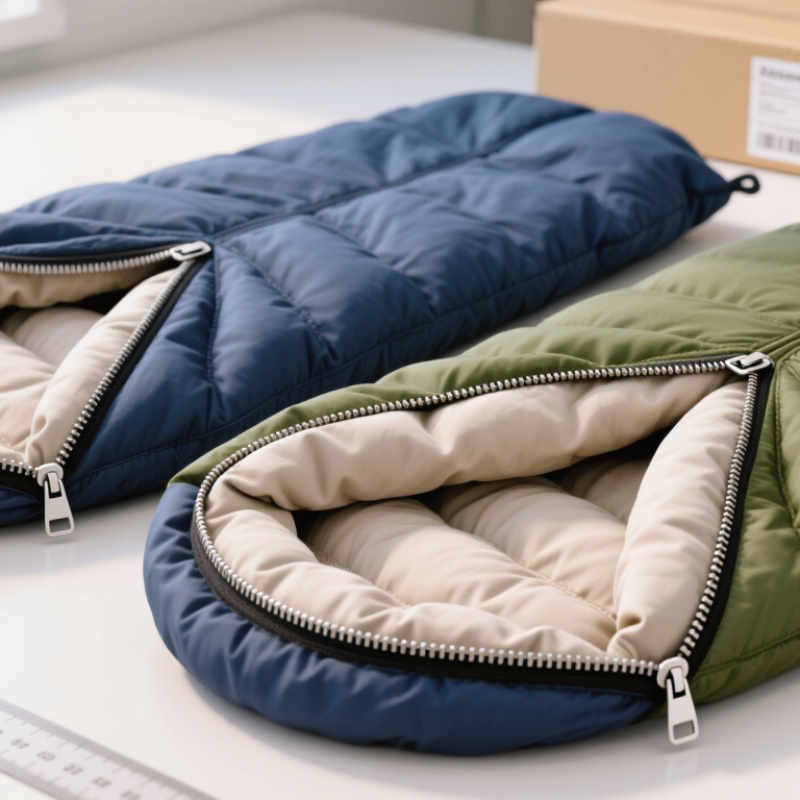
Common features include a wider sleeping area, two-way zippers, and a rectangular shape that allows easier movement than many mummy-style bags. Some models can open flat as a quilt. Look for zipper guards and a secure closure; small gaps can let cool air in. Check the stated dimensions, too. A “double” label does not guarantee comfortable space for every pair.

Cotton is breathable and familiar to the touch, but it can absorb moisture and take longer to dry than many synthetic fabrics. It may also make a packed bag bulky. Not ideal for every trip. For car camping in mild, dry weather, that trade-off may be acceptable. For damp conditions, compare the fill type, temperature rating, packed size, and care instructions before choosing. One detail is easy to overlook: a rating describes test conditions, not personal comfort, which can vary with sleep habits and clothing.

How Cotton Double Sleeping Bags Are Manufactured in China

China’s cotton double sleeping bags are made through material checks, cutting, filling, quilting, and final inspection. Incoming cotton batting is checked for lumps, moisture, odor, and uneven thickness. Shell and lining fabrics are inspected for flaws and color variation. China’s National Bureau of Statistics reported 5.618 million tonnes of cotton output in 2023, up 6.1% year on year. Its Statistical Communiqué on 2023 national economic and social development provides raw-material context, not sleeping-bag production figures.

After pattern cutting, workers align the shell, lining, and batting. The filling is spread evenly, then quilted or secured in compartments to reduce shifting. Double-width designs need careful center-seam and zipper alignment. Finished bags are checked for dimensions, skipped stitches, zipper movement, and thin spots. Small defects matter. Washing can reveal problems that a clean factory sample misses, so shrinkage and filling stability deserve attention.

Tip: Ask for the fabric and filling specifications, finished dimensions, and inspection records. Request a sample wash test, and check whether the cotton remains evenly distributed afterward. A detailed checklist helps, but it cannot replace examining the actual product.

How Cotton Double Sleeping Bags Are Manufactured in China

The chart shows a typical production sequence, from fabric inspection through packing. Step numbers indicate workflow order only—not production time or output. Exact processes vary with the bag’s design and factory.

Which Quality Standards Matter When Choosing a Manufacturer?

China Top Cotton Double Sleeping Bag Manufacturer?

Which Quality Standards Matter When Choosing a Manufacturer?

A dependable cotton double sleeping bag should feel consistent from sample to shipment. Check the stated cotton content, fabric weight, filling amount, and finished dimensions. Ask how the factory controls shrinkage after washing, since cotton may change size or feel. Details matter. Request recent test reports for the actual fabric and finished product, not just a general certificate.

Tips: Ask for seam-strength and zipper-cycle results. Check that filling stays evenly distributed after repeated use. Confirm colorfastness and whether the shell meets relevant chemical-safety requirements for your destination market. Reports should identify test methods, dates, and sample details. Ask for evidence.

Quality systems matter, but paperwork alone is not proof of a reliable product. A manufacturer may hold a quality-management certificate, yet still need clear inspection records for each production run. Request a pre-production sample, then compare it with random pieces from bulk production. No single test tells the whole story. Cotton is breathable and comfortable, but it can feel heavy when damp; discuss that trade-off openly before choosing specifications.

How to Compare China’s Leading Cotton Sleeping Bag Manufacturers

When comparing China’s leading cotton sleeping bag manufacturers, start with product details, not catalog photos. Ask for finished dimensions, total weight, cotton fill weight, shell fabric composition, and packed size. “Cotton” can describe different materials, so request the exact filling type and construction. For a double bag, check the usable shoulder and foot width with two people inside. Inspect sample seams, zipper guards, and quilting; loose stitching can let filling shift. A sample helps, but it cannot prove every production run will be consistent.

Tips: Request a specification sheet, recent batch inspection records, and clear photos of seam and zipper checks. Compare like with like.

Ask how each manufacturer checks fabric weight, dimensions, and filling distribution before packing. Confirm whether customization changes lead time, minimum order quantity, or fabric options. For outdoor use, consider drying time and care instructions; cotton may feel comfortable but can retain moisture. Avoid vague claims such as “premium” or “extra warm.” Get tolerances and test methods in writing, then compare the same requirements across suppliers. No checklist is perfect, and inspections can still miss defects.

China Top Cotton Double Sleeping Bag Manufacturer? - How to Compare China’s Leading Cotton Sleeping Bag Manufacturers

Supplier-neutral comparison guide. Product specifications, certifications, minimum order quantities, and production times vary by supplier and model; verify them with current documents and samples rather than assuming they are standard.

Comparison dimension What to compare Evidence to request Why it matters
Product construction Confirm whether cotton is used for the shell, lining, insulation, or more than one component. Ask for the material composition of each layer. A specification sheet listing fiber content and construction for the exact model. “Cotton sleeping bag” can describe different materials and does not, by itself, identify the insulation or warmth level.
Dimensions and fit Compare finished length and width, measurement method, and usable internal space for two people. Check whether the stated size is a flat or internal measurement. Dimensioned drawing and measurements from a production sample. “Double” is not a single standardized size; dimensions determine fit and comfort.
Weight and packed size Request finished-product weight and packed dimensions, and clarify whether the carry bag is included. Sample measurements and a packing specification for the quoted model. These figures affect freight planning, storage, and suitability for car camping or other uses.
Temperature information Ask whether a temperature claim is a tested rating or a supplier estimate, and which exact model and test method it refers to. A test report for the finished sleeping bag. ISO 23537-1 specifies requirements and test methods for thermal and other performance properties of adult sleeping bags within its scope. A temperature claim should not be treated as verified unless its test basis and product identity can be checked.
Fabric and seam quality Compare fabric composition, construction, seam finishing, zipper operation, and the supplier’s inspection criteria. Material details, inspection checklist, and a sample made to the proposed specification. A sample helps assess workmanship, while written criteria make production checks more consistent.
Color and shrinkage control For cotton fabrics, ask how the supplier checks colorfastness and dimensional change after the care method stated on the label. Applicable test reports, test conditions, and care instructions for the fabric and finished product. Results depend on the fabric, dye, finishing, and care conditions; a generic claim is not a substitute for model-specific evidence.
Chemical-safety claims Check whether a claimed test or certification covers the relevant material or finished product and is current. Certificate or test report showing the product scope, tested article, issuing organization, and validity where applicable. OEKO-TEX STANDARD 100, for example, is a textile product testing and certification label. A certification logo alone does not establish that every product or component from a supplier is covered.
Organic cotton claims If organic content is claimed, distinguish certified fiber content from certification of processing or the finished product. Current transaction and scope documents relevant to the specific product and supply chain. GOTS includes environmental and social criteria across its covered textile processing stages. The claim should match the certification scope; “organic cotton” alone does not show what stages or components are certified.
Minimum order and pricing Compare the quoted minimum order quantity, price breaks, sample charges, customization costs, and delivery terms for the same specification. A dated quotation with currency, Incoterm, order quantity, and included options clearly stated. There is no universal MOQ or price for this product category; terms depend on the model and order requirements.
Production and delivery time Separate sample lead time from bulk production time, and confirm when the production clock starts and how shipping time is handled. A written schedule tied to the order quantity, approved sample, and shipping method. Lead times vary with order details and should be confirmed for the specific purchase.
Quality control and traceability Ask how incoming materials, in-process work, and finished goods are checked, and how production lots are identified. Written inspection plan, sample inspection records, and batch or lot identification details. A documented process is easier to assess than a general statement that products are “strictly inspected.”
After-sales terms Compare the stated process for reporting defects, evidence requirements, response times, and remedies. Written warranty and claims terms included with the quotation or purchase agreement. Clear terms reduce uncertainty if delivered goods do not match the approved specification.

How to Verify a Supplier Before Placing an Order

For a China-based cotton double sleeping bag manufacturer, a clear product page is only a starting point. Ask for a sample made to the same specifications as your planned order. Check the cotton shell, filling weight, zipper length, seam spacing, and finished dimensions. Measure the bag yourself and compare it with the supplier’s spec sheet. Ask for evidence.

Request recent production photos or a live video walkthrough of the sewing and inspection areas. Confirm who performs quality checks and what defects trigger rework. Ask for material test reports that match the specific fabric and filling offered, not a generic document. Verify the company’s registered details and export experience through independent records or references. That matters.

Discuss the details in writing before paying a deposit: sample approval, tolerances, packing method, production lead time, and what happens if goods differ from the approved sample. A polished showroom can still hide inconsistent production. I would not treat one perfect sample as proof; it is an easy assumption to make. Ask whether the supplier can show records from comparable orders, while protecting other buyers’ private information. Then review the final order sheet line by line, especially fabric composition and size.

Newsletter

Keep up on our always evolving product features and technology. Enter your e-mail and subscribe to our newsletter.