Top 10 Commercial Food Service Trends Every Restaurant Should Know
The landscape of the Commercial Food Service industry is undergoing significant transformations driven by evolving consumer preferences, technological advancements, and a heightened focus on sustainability. According to the National Restaurant Association, the food service sector contributes over $899 billion to the U.S. economy, underscoring the critical role restaurants play not just in local markets but also in national economic vitality. In light of this data, it is crucial for restaurant operators to stay informed about the latest trends shaping the marketplace.
Recent research highlights that consumers are increasingly seeking healthier options and more personalized dining experiences, which compels establishments to innovate and adapt. A report from Technomic indicates that nearly 70% of consumers are more likely to choose a restaurant that offers healthy menu items, thus demonstrating the growing demand for transparency and quality in food offerings. Moreover, the integration of technology in the food service sector—be it through online ordering, delivery services, or digital payment systems—has become a vital component in meeting consumer expectations and enhancing operational efficiency.
As we delve into the top 10 Commercial Food Service trends every restaurant should know, it becomes evident that embracing these changes is not merely an option but a necessity for success in a competitive market. Understanding and adopting these trends can pave the way for increased customer satisfaction and improved profitability, ensuring that businesses remain relevant and thrive in this dynamic environment.
Emerging Technologies Revolutionizing Food Service Operations
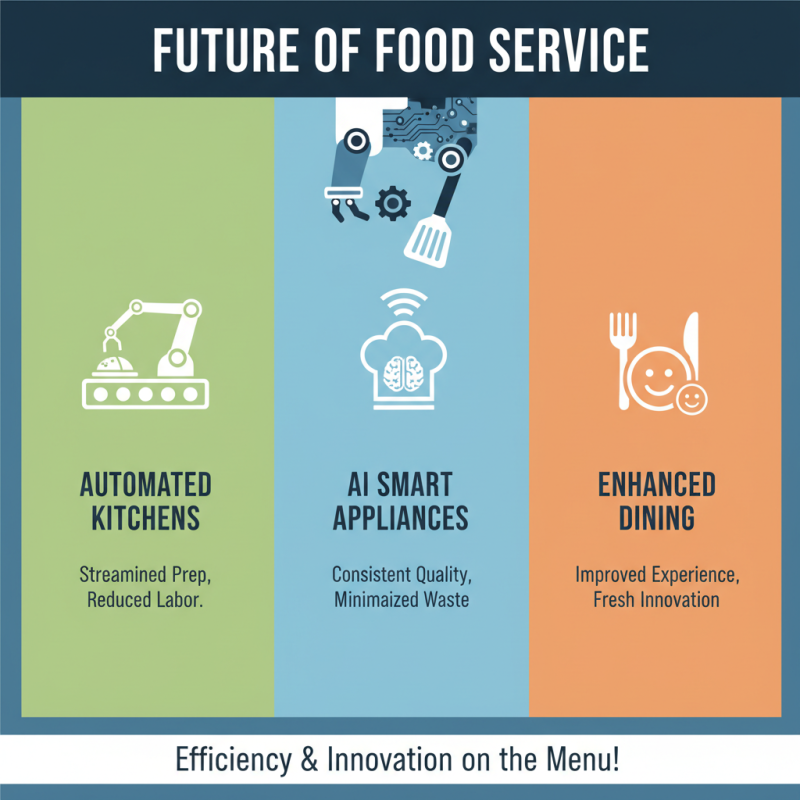
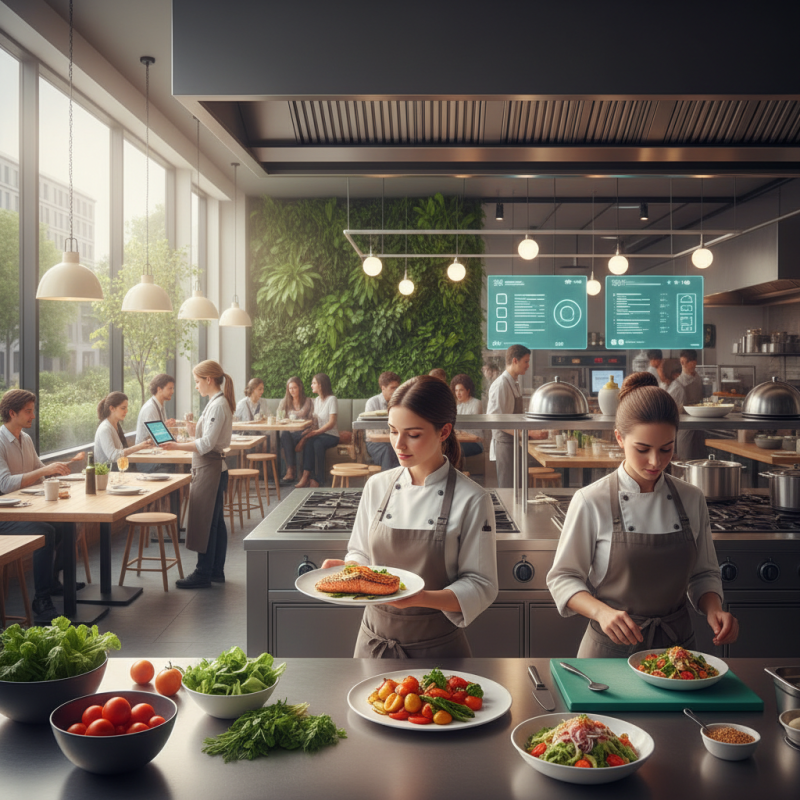
Emerging technologies are dramatically transforming food service operations, creating new opportunities for efficiency and innovation. One of the most significant advancements is the rise of automation in kitchens, which allows restaurants to streamline food preparation and reduce labor costs. Smart kitchen appliances equipped with artificial intelligence can monitor cooking times and temperatures, ensuring consistency and quality in every dish. This not only enhances the dining experience but also minimizes food waste, as precise cooking reduces overproduction.
Furthermore, the integration of point-of-sale systems with customer relationship management tools enables restaurants to gather data on customer preferences and purchasing habits. By leveraging this information, food service operators can tailor their menus and marketing strategies to meet evolving consumer demands. Additionally, mobile apps and online ordering platforms have revolutionized the customer experience by providing convenience and speed, allowing patrons to place orders seamlessly and receive personalized offers. These technologies not only improve operational efficiency but also foster customer loyalty in an increasingly competitive market.
Sustainable Practices and Their Impact on Restaurant Profitability
Sustainable practices in the restaurant industry have become increasingly vital, not only for environmental reasons but also for enhancing profitability. As consumers grow more conscious of their ecological footprint, they actively seek out establishments that prioritize sustainability. By implementing eco-friendly practices such as sourcing local ingredients, minimizing waste, and utilizing energy-efficient appliances, restaurants can attract a loyal customer base that values corporate responsibility. This shift in consumer preference empowers restaurants to differentiate themselves in a competitive market, ultimately leading to increased sales and customer retention.
Moreover, sustainable practices can yield significant cost savings for restaurants. Utilizing locally sourced ingredients can reduce transportation costs and decrease the carbon footprint while supporting local economies. Implementing waste reduction strategies, such as composting and recycling, can also lower disposal fees and contribute to a more efficient operation. Additionally, energy-efficient equipment not only conserves resources but can substantially decrease utility expenses in the long run. By aligning financial goals with sustainable practices, restaurants can create a resilient business model that thrives in a shifting market landscape, fostering both profitability and a positive impact on the environment.
Top 10 Commercial Food Service Trends Every Restaurant Should Know
| Trend |
Description |
Impact on Profitability |
Adoption Rate (%) |
| Plant-Based Menus |
Increasing demand for vegetarian and vegan options. |
Higher profit margins due to premium pricing. |
65% |
| Local Sourcing |
Using locally sourced ingredients for sustainability. |
Enhanced brand loyalty and customer satisfaction. |
70% |
| Waste Reduction |
Implementing practices to minimize kitchen waste. |
Cost savings on waste disposal and increased efficiency. |
60% |
| Sustainable Packaging |
Utilizing eco-friendly materials for takeout. |
Attracts environmentally conscious customers. |
50% |
| Energy-Efficient Equipment |
Investing in energy-saving kitchen appliances. |
Reduction in utility expenses over time. |
55% |
| Menu Personalization |
Offering customizable menu options for guests. |
Increased customer engagement and sales. |
75% |
| Digital Ordering |
Facilitating online and mobile ordering systems. |
Higher order volume and improved operational efficiency. |
80% |
| Health-Conscious Options |
Focusing on nutritious and balanced menu offerings. |
Attracts a broader customer base and repeats business. |
72% |
| Experience-Driven Dining |
Creating unique dining experiences for customers. |
Enables premium pricing for unique experiences. |
65% |
| Community Engagement |
Participating in local events and causes. |
Strengthens customer loyalty and brand reputation. |
68% |
The Rise of Plant-Based Menus and Consumer Demand
The rise of plant-based menus has become one of the most significant trends in the food service industry, reflecting a transformative shift in consumer preferences. As more diners express a desire for healthier, environmentally friendly options, restaurants are adapting by incorporating a wider array of plant-based dishes into their offerings. This shift is not merely a trend; it's a response to growing awareness of the health benefits associated with a plant-forward diet, including lower risks of chronic diseases and better weight management. Furthermore, the environmental impact of meat production has prompted many to seek alternatives that are both sustainable and ethical.
In response to this demand, chefs and restaurateurs are becoming increasingly creative, developing innovative recipes that showcase the versatility of plant-based ingredients. From hearty grain bowls to gourmet vegetable dishes, the culinary landscape is evolving to highlight the rich flavors and textures that can be achieved without animal products. Additionally, the rise of plant-based menus caters not only to vegans and vegetarians but also to flexitarians who are looking to reduce their meat consumption without sacrificing taste or dining experience. By embracing this trend, restaurants can attract a broader clientele and position themselves at the forefront of the ever-evolving culinary scene.
Innovations in Food Delivery and Takeout Services
In recent years, innovations in food delivery and takeout services have transformed the restaurant industry, allowing establishments to reach customers beyond traditional dining experiences. As consumers increasingly seek convenience, restaurants have adapted by implementing contactless delivery options and user-friendly mobile apps. These advancements not only streamline the ordering process but also enhance customer satisfaction by providing real-time updates on delivery status.
Additionally, the rise of ghost kitchens—dedicated kitchen spaces without a physical storefront—has reshaped the landscape of food service. This model allows restaurants to focus on preparation and efficiency, reducing overhead costs while expanding their delivery range. Many establishments are also exploring partnerships with delivery platforms to optimize logistics and reach more customers. As these trends continue to evolve, it's crucial for restaurants to stay informed and adapt, ensuring they can meet the changing preferences of their clientele while maintaining operational efficiency.
Top 10 Commercial Food Service Trends in Food Delivery and Takeout
Trends in Customer Experience and Restaurant Ambiance Design
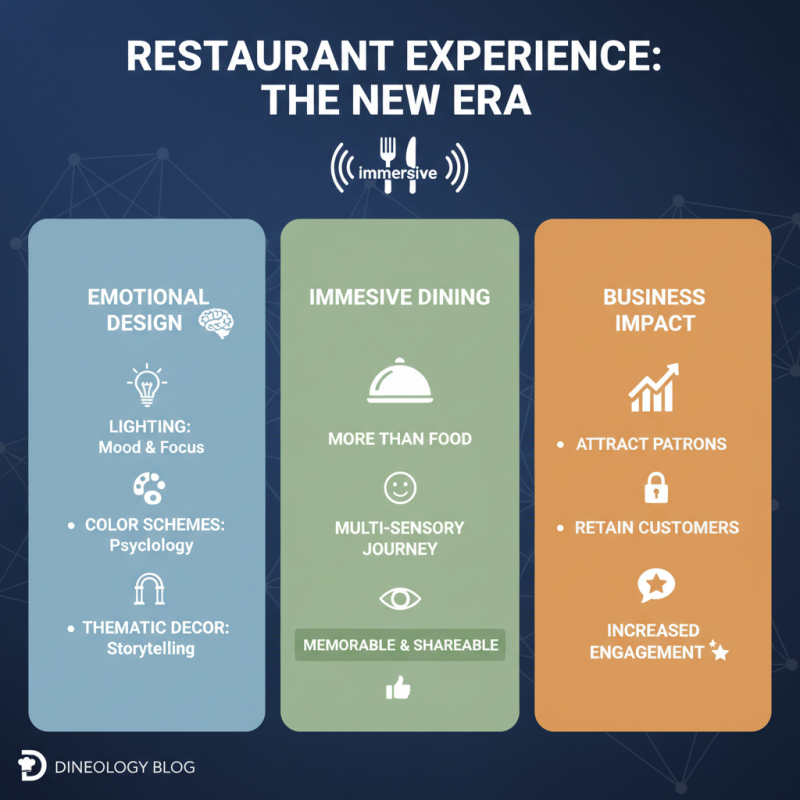
In the ever-evolving landscape of the restaurant industry, customer experience and ambiance design are becoming pivotal in attracting and retaining patrons. Today's diners are not just seeking a meal; they are looking for an immersive experience. Restaurants are increasingly focusing on creating environments that evoke specific emotions, through the use of lighting, color schemes, and thematic decor. These design elements work together to enhance the overall dining experience, making it memorable and shareable on social media platforms.
Moreover, the incorporation of technology into the dining environment is reshaping how customers interact with restaurants. From digital menus and contactless payments to augmented reality experiences that showcase menu items, technology is enhancing the convenience and engagement levels for diners. The emphasis on personalized service is also crucial, as restaurants leverage data analytics to understand customer preferences and tailor experiences to meet individual needs. Ultimately, a well-thought-out ambiance and a focus on customer-centric technology will define successful food service trends, ensuring that patrons leave not just satisfied, but inspired to return.