What Is the Shelf Life of Chocolate and How to Tell Expiration?
Chocolate is a beloved treat enjoyed by many. However, it's crucial to understand Chocolate expiration. This knowledge helps avoid consuming spoiled chocolate, which can ruin the experience.
Chocolate can last for months or even years. Yet, its quality diminishes over time. Factors like storage, ingredients, and packaging play significant roles. Unopened chocolate generally lasts longer than opened ones.
Visual cues can indicate whether chocolate has expired. Check for changes in color, texture, and smell. If it looks dull or has a white film, it may not taste good. Remember, chocolate might still be safe to eat, but it may not bring joy. Understanding chocolate expiration is essential for every chocolate lover.
What Factors Influence the Shelf Life of Different Chocolate Types?
When it comes to chocolate, various factors can significantly influence its shelf life. Temperature is crucial. Chocolate should be stored in a cool, dry place. Ideal conditions range between 60°F to 70°F. Exposure to heat can lead to fat bloom, which alters the texture and flavor. In a study, only 20% of chocolate samples stored at higher temperatures maintained their quality over time.
The type of chocolate also plays a role. Dark chocolate generally lasts longer than milk or white varieties. Dark chocolate can last up to two years. In contrast, milk chocolate might only keep for a year. This variance is due to the higher dairy content in milk and white chocolates. Additionally, ingredients like nuts can further shorten shelf life, as they can go rancid.
Packaging impacts freshness too. A vacuum-sealed chocolate might last longer than one that is not sealed well. Moisture exposure can lead to mold growth or sugar bloom. Reports suggest that 30% of poorly packaged chocolates are prone to spoilage within six months. Keeping chocolate in its original packaging helps preserve its quality and flavor for a more extended period.
Understanding the Recommended Storage Conditions for Chocolate Preservation
Proper storage conditions are vital for chocolate preservation. Chocolate should be kept in a cool, dark place, ideally between 60°F and 68°F (15°C to 20°C). Humidity is another critical factor. Chocolate easily absorbs moisture, which can lead to bloom or spoilage. The ideal environment should maintain low humidity levels, ideally below 50%.
A recent report by the Chocolate Manufacturers Association suggests that exposure to light and temperature fluctuations can significantly shorten chocolate's shelf life. Storing chocolate in airtight containers can prevent unwanted odors and moisture absorption. Ensure it is away from strong-smelling substances. Even slight exposure to heat can lead to a decline in quality, causing texture and flavor changes.
Some chocolates, especially those with fillings, have shorter shelf lives. Dark chocolate may last up to two years, while milk and white chocolate can last around eight to twelve months. Regular checks for signs of spoilage are essential. Look for changes in texture, color, or odor. Open packaging can also affect freshness. Storing improperly can lead to regret in the quality and enjoyment of chocolate.
Recognizing Signs of Chocolate Expiration: Visual and Sensory Indicators
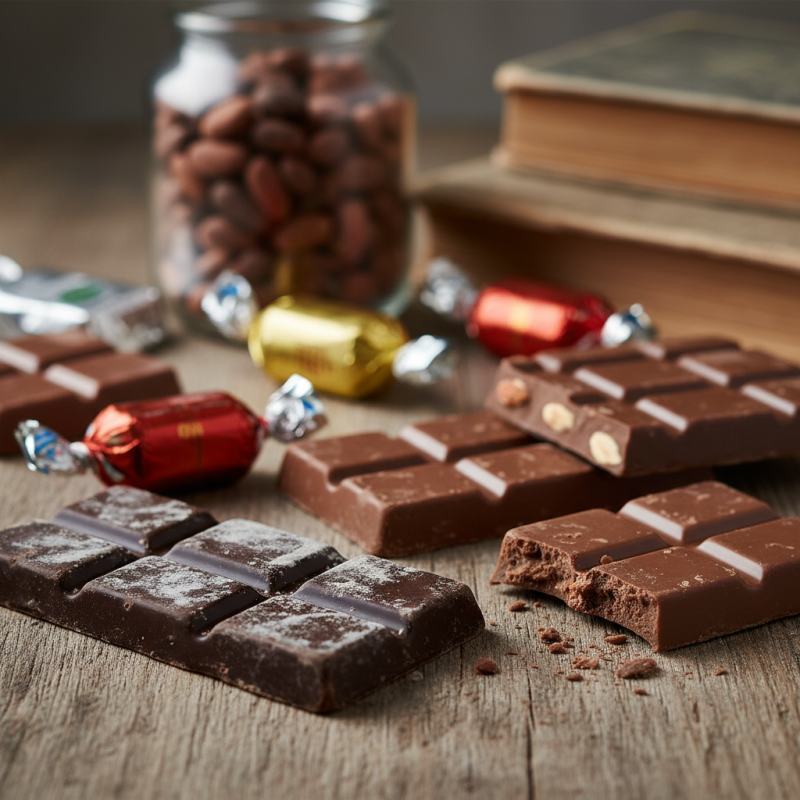
Recognizing signs of chocolate expiration can save you from unpleasant surprises. A change in texture is a key indicator. Fresh chocolate is smooth and glossy. Over time, it may develop a dull, chalky surface. This can result from temperature changes. The cocoa butter can separate and rise to the surface. This is called bloom. Although it may look unappealing, bloomed chocolate is still safe to eat.
Another sign to watch for is smell. Fresh chocolate has a rich, sweet aroma. If it loses its scent or starts to smell off, it might be spoiled. Flavor is critical too. A bitter or stale taste is a warning sign. The chocolate might have absorbed odors from its surroundings. This is often an issue with improperly stored chocolate. Pay attention to how it feels in your mouth. If it’s grainy or waxy, that’s a red flag.
Checking the expiration date is a start. A well-sealed bar lasts longer than a broken one. Humidity and air can accelerate spoilage. Store chocolate in a cool, dry place. Rely on your senses. Sometimes, what looks fine may not taste great. Don't hesitate to discard chocolate that seems off. It's better to be safe than sorry.
Industry Standards: Average Shelf Life of Milk, Dark, and White Chocolate
The average shelf life of chocolate varies significantly among different types. Milk chocolate typically lasts about 1 year if stored properly. It contains milk solids, which can lead to spoilage. Dark chocolate, on the other hand, has a longer shelf life, often lasting 2 years or more due to its higher cocoa content. White chocolate, despite being less cocoa-rich, can last about 6 months to a year.
Temperature plays a crucial role in the preservation of chocolate. Chocolate should be stored in a cool, dry place. Exposure to heat can lead to fat bloom, which affects flavor and texture but not safety. Always check for signs of spoilage. A faint, chalky appearance or an off smell indicates that the chocolate may not be safe to eat.
According to the Chocolate Manufacturers Association, proper storage can extend shelf life. Keeping chocolate sealed in an airtight container is essential. However, many people overlook this detail. It's easy to forget that chocolate deteriorates once opened. The friction between moisture and air can accelerate spoilage. Knowing these factors can help maintain chocolate's quality longer.
What Is the Shelf Life of Chocolate and How to Tell Expiration?
| Type of Chocolate | Average Shelf Life | Storage Conditions | Signs of Expiration |
| Milk Chocolate | 1 year | Cool, dry place | White spots, off smell |
| Dark Chocolate | 2 years | Cool, dry place | Bloom, loss of flavor |
| White Chocolate | 6 months | Cool, dry place | Discoloration, odor |
| Chocolate Bars (sealed) | 1-2 years | Cool, dark place | Packaging damage, smell |
| Chocolate Truffles | 2-3 months | Refrigerated | Texture change, odor |
The Impact of Ingredients and Additives on Chocolate Longevity
The shelf life of chocolate can vary significantly based on its ingredients. Dark chocolate typically lasts longer than milk or white varieties. This difference stems from the higher cocoa content and lower dairy presence in dark chocolate. According to a report from the National Confectioners Association, dark chocolate can last up to two years if stored correctly. Conversely, milk chocolate may only last around one year due to its dairy components, which are prone to spoilage.
Additives also play a critical role in determining chocolate longevity. For instance, chocolates with preservatives may last longer than those without. A study published in the Journal of Food Science indicates that certain emulsifiers can extend the shelf life of chocolate by maintaining texture and preventing crystal formation. However, these additives can change flavor over time, which might lead to a less enjoyable experience.
Environmental factors impact chocolate as well. Heat and humidity can cause chocolate to bloom, affecting its appearance and taste. When chocolate develops a white, powdery surface, it may still be safe to eat, but its quality diminishes. Proper storage in a cool, dry place can help mitigate these effects, but not all consumers take this into account. Recognizing the impact of ingredients and storage methods is vital for enjoying the best chocolate experience.