What Is Hotel Soap Bulk and How Do I Buy It?
Hotel Soap Bulk refers to individually packaged or dispenser-ready soap purchased in large quantities for hotels, guesthouses, resorts, and serviced apartments. It can include bar soap, liquid hand wash, shampoo, or complete bathroom amenity sets. The right choice depends on room count, occupancy, brand standards, and storage capacity. Small details matter. A 15-gram wrapped bar suits short stays, while a wall-mounted dispenser may reduce packaging waste.
Buying well requires more than comparing the lowest case price. Check the soap’s ingredients, fragrance strength, net weight, shelf life, packaging quality, and available certifications. Ask suppliers for product samples before approving a large order. A sample can reveal a weak scent, thin wrapping, or poor lather that photographs never show. Confirm the minimum order quantity, lead time, shipping terms, and replacement policy in writing. Reliable suppliers should provide clear specifications and consistent batch information.
Do not overlook guest comfort. Some visitors have sensitive skin or fragrance preferences. Unscented or dermatologically tested options may be safer for a wider audience, but claims should be verified through credible documentation. Sustainability also deserves careful review. “Eco-friendly” packaging can still create unnecessary waste. Compare recycled materials, refill systems, and disposal requirements honestly.
The cheapest option may cost more later. Overstock can expire, packaging can fail, and unused products can occupy valuable storage space. A practical purchasing plan starts with realistic usage data, not guesswork. Yet forecasts are never perfect. Review consumption after the first delivery, then adjust quantities, packaging, and supplier terms with evidence.
What Hotel Soap Bulk Means and Who Typically Uses It
Hotel soap bulk means purchasing guest soaps in large quantities, rather than buying individual retail packs. Suppliers commonly sell wrapped bars by the case, or liquid soap in refill containers. Packaging may include 50, 100, or more units per carton. Bulk is not automatically cheaper. The real saving depends on usage, storage, and delivery costs.
Typical users include hotels, motels, hostels, serviced apartments, and housekeeping contractors. Event venues may also purchase these supplies for temporary accommodation areas.
The American Hotel & Lodging Association reported approximately 5.6 million hotel rooms in the United States in 2024. That scale explains why centralized purchasing matters. UN Tourism recorded about 1.4 billion international tourist arrivals worldwide in 2024. More occupied rooms usually create steadier demand for basic amenities.
To buy hotel soap bulk, calculate monthly room consumption first. Compare the cost per usable bar, not only the carton price. Check bar weight, ingredients, scent strength, packaging, shelf life, and minimum order quantity. Ask for samples before placing a large order.
A soap that feels too dry may increase complaints. A rich formula may look premium, but it can leave residue on bathroom surfaces. That detail is easy to miss.
Confirm delivery schedules and storage conditions, especially for liquid products. Order enough for regular operations, but avoid excessive inventory.
Overstock can lose freshness, occupy housekeeping space, and quietly increase waste. A small trial order is often the safer starting point.
Common Types, Sizes, Ingredients, and Packaging Options
Hotel soap bulk usually means purchasing guest soaps and toiletries in large quantities for hotels, inns, serviced apartments, or event venues. Common formats include small bar soaps, liquid hand wash, body wash, shampoo, and conditioner. Bar soaps often range from 10 to 30 grams, while larger guest bars may reach 40 or 50 grams. Liquid products commonly use 250 to 500 millilitre dispensers.
Ingredients deserve careful review. Mild cleansing agents, glycerin, plant oils, fragrance, and moisturisers are common choices. Fragrance-free formulas may suit guests with sensitive skin, but they can feel less luxurious. Check the ingredient list, allergen information, batch details, and product documentation before ordering. A sample test matters. A soap can look attractive online but feel drying after repeated use.
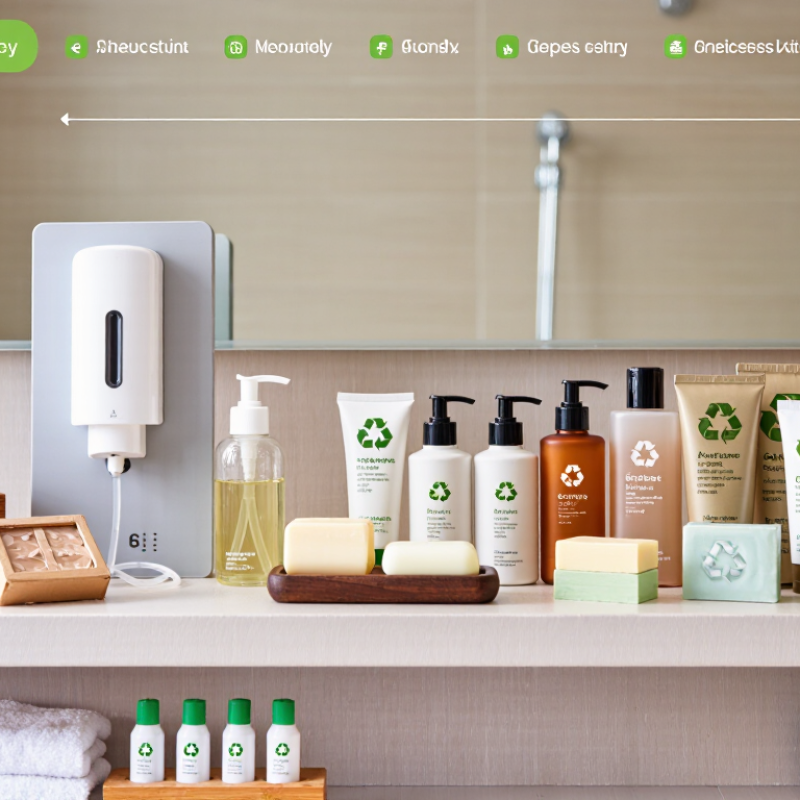
Packaging affects cost, storage, and guest experience. Options include paper wraps, cardboard boxes, recyclable cartons, sealed plastic film, wall-mounted dispensers, and refill pouches. Individually wrapped bars offer strong hygiene control and easy housekeeping, while dispensers reduce packaging waste and storage space. However, refill systems need reliable cleaning routines. Ask suppliers about minimum order quantities, shelf life, delivery schedules, and carton dimensions. I would not choose only by unit price. One overlooked detail, such as weak packaging, can create waste, complaints, and extra labour.
How to Calculate Your Hotel Soap Quantity and Budget
Buying hotel soap in bulk means purchasing guestroom-size bars, liquid dispensers, or refill cartridges by the case. The correct quantity depends on occupied rooms, replacement rules, and delivery time. Do not calculate from room count alone.
Use this practical formula: occupied room nights × soap units per room night × safety stock. The American Hotel & Lodging Association’s 2024 State of the Hotel Industry Report projected U.S. occupancy at 63.6%. For an 80-room property, monthly occupied room nights equal 80 × 0.636 × 30, or about 1,526 nights. If housekeeping places two soap units in each occupied room, the base requirement is 3,052 units. Add a 10% buffer for damaged packaging, unexpected groups, and storage errors. The order becomes approximately 3,358 units.
Now multiply that number by the delivered unit price. At $0.18 per unit, soap costs about $604 before taxes, freight, and storage equipment. Request case-pack details, ingredient specifications, shelf life, and samples before signing a supply agreement. The 2024 AHLA report also highlighted persistent operating-cost pressure, so a low unit price may not be the lowest total cost. Freight can quietly change the calculation.
Track actual usage for four weeks. My estimate may still be wrong. Some properties replace unused soap daily, while others follow a guest-request policy. Record occupied rooms, discarded units, and emergency purchases. Then revise the buffer quarterly, rather than guessing every purchasing cycle.
Where to Find Reliable Bulk Hotel Soap Suppliers
Reliable bulk hotel soap suppliers should be judged by evidence, not attractive cartons or low prices. Bulk hotel soap usually means individually wrapped, boxed, or dispenser-sized soap purchased in large quantities. Demand remains significant: UN Tourism reported approximately 1.4 billion international tourist arrivals worldwide in 2024. That volume increases pressure on hotels to secure stable amenity supplies.
Ask each supplier for ingredient lists, safety data sheets, batch numbers, and recent quality certificates. ISO 22716-based manufacturing controls can indicate stronger cosmetic production practices, although buyers should verify the actual facility and certificate scope. Request samples before signing a large order. Check the soap’s scent, lather, hardness, wrapper strength, and performance after storage in a warm housekeeping room. Small details matter.
Sustainability also affects supplier reliability. The 2023 Sustainable Travel Report by Booking.com found that 76% of travelers wanted to travel more sustainably. Therefore, ask about recycled packaging, refill options, carton dimensions, and disposal instructions. Avoid vague claims such as “eco-friendly” without supporting documentation. Compare minimum order quantities, lead times, replacement policies, and shipping costs per usable bar. The cheapest carton may become expensive if half the soap arrives damaged. Even experienced purchasing teams miss this point. A supplier may look professional online but provide weak after-sales support. Written specifications and a small trial order reduce that risk.
Monthly Hotel Soap Requirement by Occupancy
Planning example for a 100-room hotel over 30 days. The estimate assumes two guests per occupied room, one soap bar per guest-night, and a 10% stock buffer. Use the projected quantity when requesting bulk quotes from hotel-amenity suppliers, then compare bar weight, packaging, minimum order quantity, lead time, and delivery terms.
How to Compare Products, Confirm Quality, and Place an Order
Bulk hotel soap means purchasing guest bars or dispensers in commercial quantities. Compare products by cost per usable gram, not carton price. A 15-gram bar may appear cheaper, yet dissolve quickly beside a wet sink.
Request ingredient lists, net weight, fragrance details, batch numbers, and shelf-life information. Ask for recent test documents covering microbiological safety, pH, and stability. A sample trial matters more than polished product photography. Test three batches in real bathrooms, including housekeeping handling and guest use. I have made this mistake before: a pleasant scent did not compensate for cracked packaging.
Packaging deserves equal attention. The Global Resources Outlook 2024 from the United Nations Environment Programme reports that global resource extraction could rise by 60% by 2060. Choose compact cartons, recyclable materials, and sensible inner wrapping where hygiene requirements allow. Compare the supplier’s minimum order quantity, production lead time, payment terms, shipping method, and replacement policy. Ask whether the quoted price includes labeling and export documentation.
Before ordering, issue a written purchase order with exact dimensions, formula requirements, packaging artwork, quantity tolerance, delivery date, and inspection terms. Confirm the manufacturing address and quality contact. An independent pre-shipment inspection can check carton counts, seals, weights, and visible defects. The 2024 State of the Hotel Industry Report from the American Hotel & Lodging Association identifies efficiency and sustainability as continuing operational priorities. Still, sustainability claims need evidence. Request measurable packaging data, not vague promises. Then approve a small pilot order. Mistakes become expensive when the first delivery fills an entire storeroom.
What Is Hotel Soap Bulk and How Do I Buy It? - How to Compare Products, Confirm Quality, and Place an Order
| Product Format | Typical Net Weight or Capacity | Common Packaging | Best Use | Advantages | Points to Check Before Buying |
| Individually Wrapped Bar Soap | 15–30 g per bar | Paper wrapper, cardboard sleeve, or sealed film | Guest rooms, short-stay accommodation, and hygiene-sensitive settings | Strong hygiene perception, easy distribution, and simple inventory counting | Wrapper seal, ingredient list, batch or lot identification, scent consistency, and carton quantity |
| Unwrapped Bulk Bar Soap | 20–50 g per bar | Inner carton, paper case, or shipping box | High-volume operations with controlled storage and dispensing procedures | Lower packaging use and potentially lower packaging cost per unit | Clean storage conditions, handling process, moisture protection, appearance, and breakage rate |
| Liquid Hand or Body Wash Refill | 250 ml–5 L per container | Bottle, pouch, or jerrycan | Wall dispensers, shared bathrooms, and refill programs | Controlled dispensing, reduced individual packaging, and easier volume planning | Pump or nozzle compatibility, viscosity, leakage protection, shelf life, and dilution instructions |
| Mini Guest Soap Set | One or more bars, usually 15–30 g each | Paperboard box, pouch, or sealed hospitality set | Guest welcome kits, serviced apartments, and event accommodation | Professional presentation and convenient room placement | Set contents, packaging dimensions, print accuracy, seal quality, and minimum order quantity |
Bulk Hotel Soap Comparison Checklist
| Comparison Dimension | What to Compare | Practical Acceptance Criteria | Evidence to Request |
| Unit Size | Net weight for bars or net volume for liquid products | The stated quantity should match the approved specification and purchase order | Product specification sheet and sample measurement |
| Ingredients | Cleansing agents, moisturizers, fragrance, colorants, and preservatives | Ingredients are clearly declared and suitable for the intended market | Full ingredient declaration and allergen information where applicable |
| Appearance and Scent | Color, shape, surface finish, fragrance strength, and consistency | No cracks, deformation, leakage, unusual odor, or visible contamination | Pre-production sample and approved reference sample |
| Packaging Quality | Seal strength, carton durability, labeling, and moisture protection | Packaging remains intact during normal storage and transport | Packaging drawings, photographs, and transport test results if available |
| Shelf Life | Manufacturing date, expiry date, and recommended storage conditions | Remaining shelf life meets the buyer's receiving and usage schedule | Shelf-life statement, batch code format, and storage instructions |
| Order Economics | Unit price, case quantity, minimum order quantity, freight, and taxes | Compare total delivered cost rather than product price alone | Formal quotation with Incoterms or delivery terms and payment conditions |
| Quality Control | Batch consistency, inspection process, and complaint handling | There is a documented process for testing, traceability, and corrective action | Certificate of analysis when applicable, inspection report, and batch records |
Example Bulk Purchase Planning Table
| Planning Item | Example Calculation | Example Result | Buying Action |
| Monthly Room Demand | Occupied rooms × average soap units used per room | 1,200 occupied rooms × 1.5 units = 1,800 units | Use actual occupancy and replacement data where available |
| Safety Stock | Average monthly demand × reserve percentage | 1,800 units × 15% = 270 units | Adjust the reserve for lead time, seasonality, and storage space |
| Target Order Quantity | Expected demand during coverage period + safety stock − usable inventory | 3,600 + 270 − 600 = 3,270 units | Round up to full cartons without exceeding storage capacity |
| Carton Requirement | Target order quantity ÷ units per carton | 3,270 ÷ 72 = 45.42, so order 46 cartons | Confirm the final carton count and pallet configuration on the quotation |
Ordering Note: Bulk hotel soap normally refers to soap purchased in larger quantities, such as full cartons, cases, or refill containers, for hospitality or commercial use. Before placing an order, approve a physical sample, confirm the final specification in writing, verify total delivered cost, and request batch and shelf-life information.