Essential Restaurant Utensils Every Chef Should Have?
In the culinary world, the right kitchen tools can be the difference between excellence and mediocrity. Restaurant utensils play a crucial role in every chef's arsenal. According to a report by the National Restaurant Association, 81% of chefs agree that the quality of their utensils directly influences their cooking performance. Expert chef Jamie Oliver once said, "The right tools can elevate a dish from good to unforgettable."
However, not all kitchens have the essential utensils. Even in well-established restaurants, gaps often exist. Chefs frequently emphasize the importance of investing in high-quality restaurant utensils. A simple knife can impact precision and efficiency. A sturdy spatula makes flipping delicate foods easier. Yet, many new chefs underestimate this necessity.
There is a continual need for reflection on what tools are truly essential. Some may rely on outdated or low-quality utensils. Others may overlook the value of ergonomic designs. Every chef should evaluate their inventory regularly. Having the right restaurant utensils can redefine a chef's creative process. This highlights a critical area for growth and improvement in kitchen operations.
Essential Knives and Cutting Tools for Every Chef
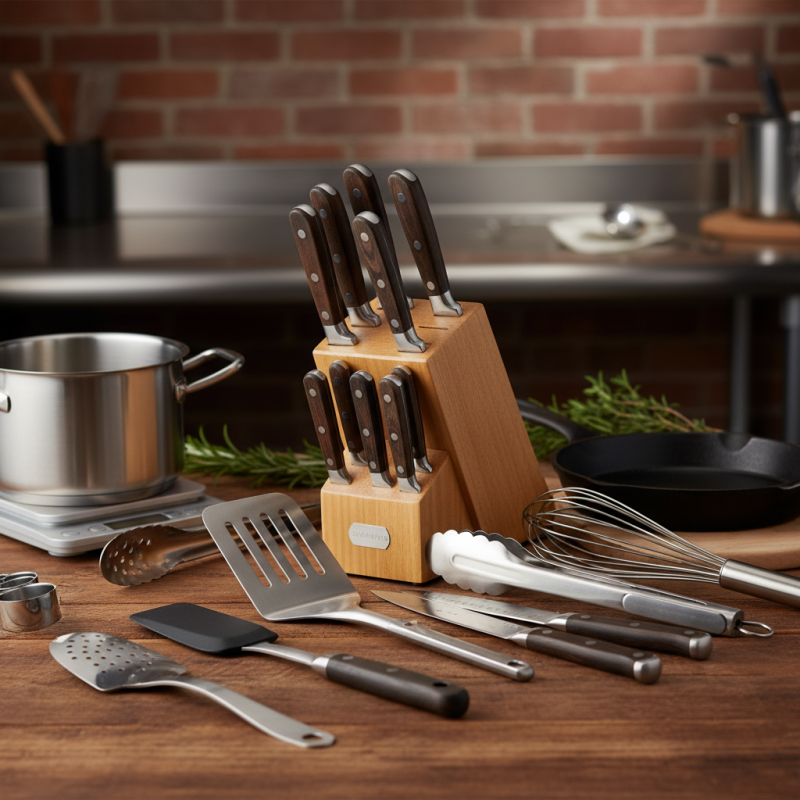
Every chef needs essential knives and cutting tools to elevate their culinary game. A chef's knife is a must-have. It is versatile and can handle various tasks. From slicing vegetables to chopping herbs, this knife is a workhorse. A paring knife is also important. It allows for precision work, like peeling fruits or deveining shrimp.
Cutting boards are another essential tool. Wood and plastic are popular choices. Each has its advantages, but cleanliness is key. Sharp knives are safer. Dull ones require more force, leading to accidents. Regularly honing your knives can make a big difference. It helps maintain their edge, which ultimately impacts your efficiency.
Don’t overlook a good pair of kitchen scissors. They can quickly prepare herbs or open food packaging. A mandoline slicer can bring uniformity to your cuts. Yet, it requires careful handling. Mistakes can happen. Remember, every blade needs respect to avoid injuries and mishaps. Each tool can enhance your cooking experience, but proper use is vital.
Cooking Pots and Pans: The Heart of Restaurant Utensils
Cooking pots and pans are the backbone of any restaurant kitchen. According to a report by the National Restaurant Association, nearly 70% of chefs believe that the quality of their pots and pans directly affects food quality. Durable materials are essential. Stainless steel and cast iron are common choices. They offer heat retention and even cooking.
The choice of pot size matters too. Many chefs have a mix of sizes. Research shows that having at least five different pot sizes improves cooking efficiency by 25%. Smaller pots excel in making sauces, while larger pots are better for stocks. Misjudging the size can lead to longer cooking times and wasted ingredients.
Moreover, maintenance is often overlooked. Pots need regular seasoning and careful cleaning. Neglecting this can lead to food sticking and uneven cooking. A study found that 45% of kitchen staff reported issues due to improper care of their cookware. Reflecting on these aspects can enhance a kitchen's performance significantly.
Essential Restaurant Utensils Every Chef Should Have
| Utensil Name |
Material |
Uses |
Size Range |
| Cooking Pots |
Stainless Steel |
Boiling, simmering, and making sauces |
1 qt to 12 qt |
| Frying Pans |
Non-stick |
Searing, pan-frying, and browning |
8 inch to 16 inch |
| Saucepans |
Aluminum |
Heat sauces and boil small quantities |
2 qt to 4 qt |
| Stock Pots |
Stainless Steel |
Making stocks, soups, and boiling pasta |
8 qt to 20 qt |
| Grill Pans |
Cast Iron |
Grilling meat and vegetables indoors |
10 inch to 14 inch |
Utensils for Food Preparation: Mixing, Whisking, and More
In every kitchen, utensils play a vital role in food preparation. Chefs rely on tools that are both practical and efficient. Mixing bowls are essential for blending ingredients seamlessly. They come in various sizes to accommodate different recipes. A good bowl allows for easy folding and aerating of mixtures. Some chefs often find themselves stuck with awkwardly shaped bowls that spill. Choosing the right tool makes a difference.
Whisks are another must-have utensil. They excel at incorporating air into eggs and cream. A sturdy whisk can turn a simple mixture into a fluffy delight. However, not all whisks are created equal. Some can be too stiff, making it hard to achieve the desired consistency. Wooden spoons, too, spark debate among chefs. They can scratch surfaces, yet many love their natural feel and durability. There’s an art to knowing when a utensil works best.
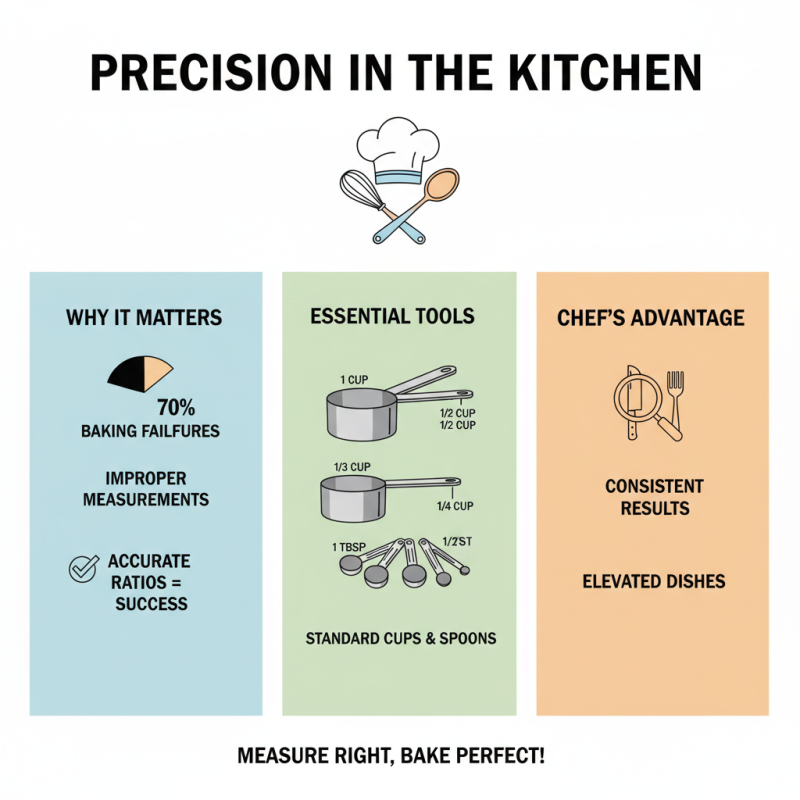
Scrapers, measuring cups, and peelers complete the lineup. Each of these items serves a distinct purpose. They can help avoid waste while ensuring precise measurements. But, many chefs overlook the importance of keeping these tools in good condition. Dull peelers can make food prep tedious. Proper care leads to efficiency and satisfaction. Finding the right balance among all utensils is an ongoing journey for every chef.
Serving and Plating: Presentation Tools Every Chef Needs
When it comes to serving and plating, presentation is key. Every chef should invest in basic tools that elevate their dishes. Simple utensils, like tongs and spatulas, help in plating. But focus on aesthetics, too. A well-arranged plate makes food more appealing.
Using garnishes can transform a dish. Fresh herbs add color and flavor. Edible flowers can create a lovely visual effect. Remember, simplicity often works best. Overcrowded plates may overwhelm diners.
Tips: Use contrasting colors on each plate. This draws attention and enhances presentation. Experiment with different plating styles. A unique approach sets your dishes apart. Don’t be afraid to fail. Every chef learns through trial and error. Reflect on your plating techniques to improve over time.