10 Essential Restaurant Equipment Tips for a Successful Kitchen Setup
Setting up a successful kitchen in the restaurant industry requires a meticulous approach to selecting the right
Restaurant Equipment. According to a report by the National Restaurant Association, nearly
90% of restaurant failures can be traced back to poor operational practices, which include the mismanagement of kitchen equipment. Ensuring that a kitchen is equipped with essential tools and appliances not only enhances efficiency but also improves food quality and customer satisfaction, impacting overall business performance.
The importance of investing in quality
Restaurant Equipment cannot be overstated; studies show that restaurants that prioritize their equipment choices often see a
significant return on investment. For instance, a well-equipped kitchen can boost productivity by up to
30%, as it allows staff to work more efficiently and effectively. Furthermore, the right equipment can streamline operations, reduce waste, and help adhere to safety regulations, creating a robust foundation for a thriving restaurant. As we delve into the top ten essential tips for restaurant equipment selection, it's crucial to understand how these choices will shape the kitchen's functionality and success in a competitive market.
Choosing the Right Kitchen Layout for Efficiency and Workflow
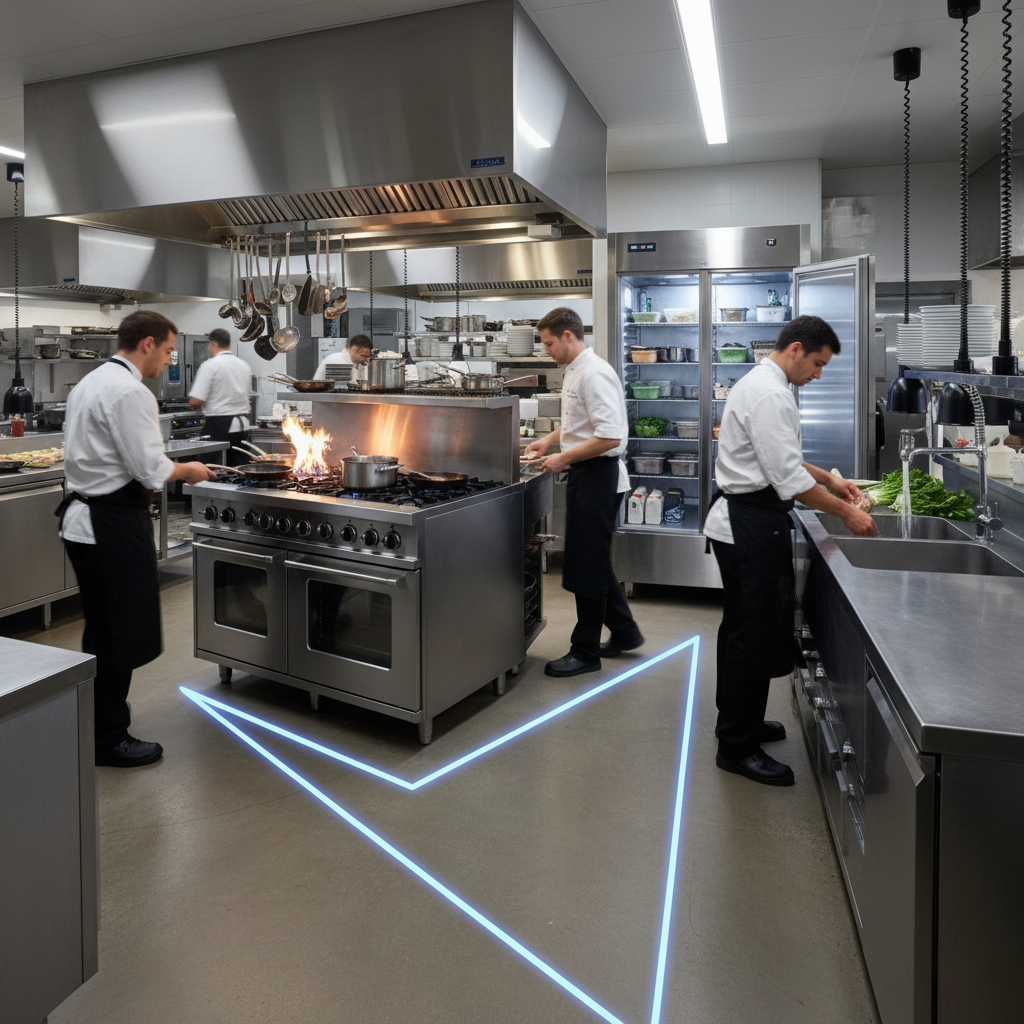
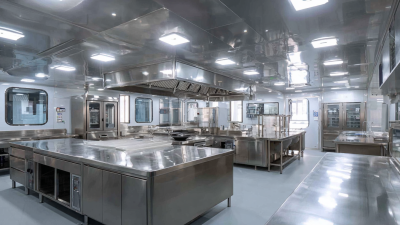
When designing a kitchen layout for a restaurant, efficiency and workflow are paramount. A well-structured kitchen allows staff to work seamlessly, minimizing unnecessary movement and maximizing productivity. One effective approach is the "work triangle" concept, which positions the three essential work areas—the stove, sink, and refrigerator—within a triangular layout. This design minimizes the distance chefs must travel between these critical points, streamlining meal preparation and reducing wait times.
Additionally, consider the line flow when setting up the kitchen layout. Organizing stations in a logical sequence—from preparation to cooking to plating—ensures that each step in the process is easily accessible. For instance, placing the prep area near the cooking stations allows chefs to quickly transfer ingredients as needed. Incorporating sufficient counter space and selecting equipment that aligns with the culinary style of the restaurant will further enhance operational efficiency. By prioritizing functionality in the layout, restaurant owners can create a setup that fosters teamwork, improves service speed, and ultimately contributes to a more successful dining experience.
Essential Cooking Equipment Every Restaurant Should Invest In
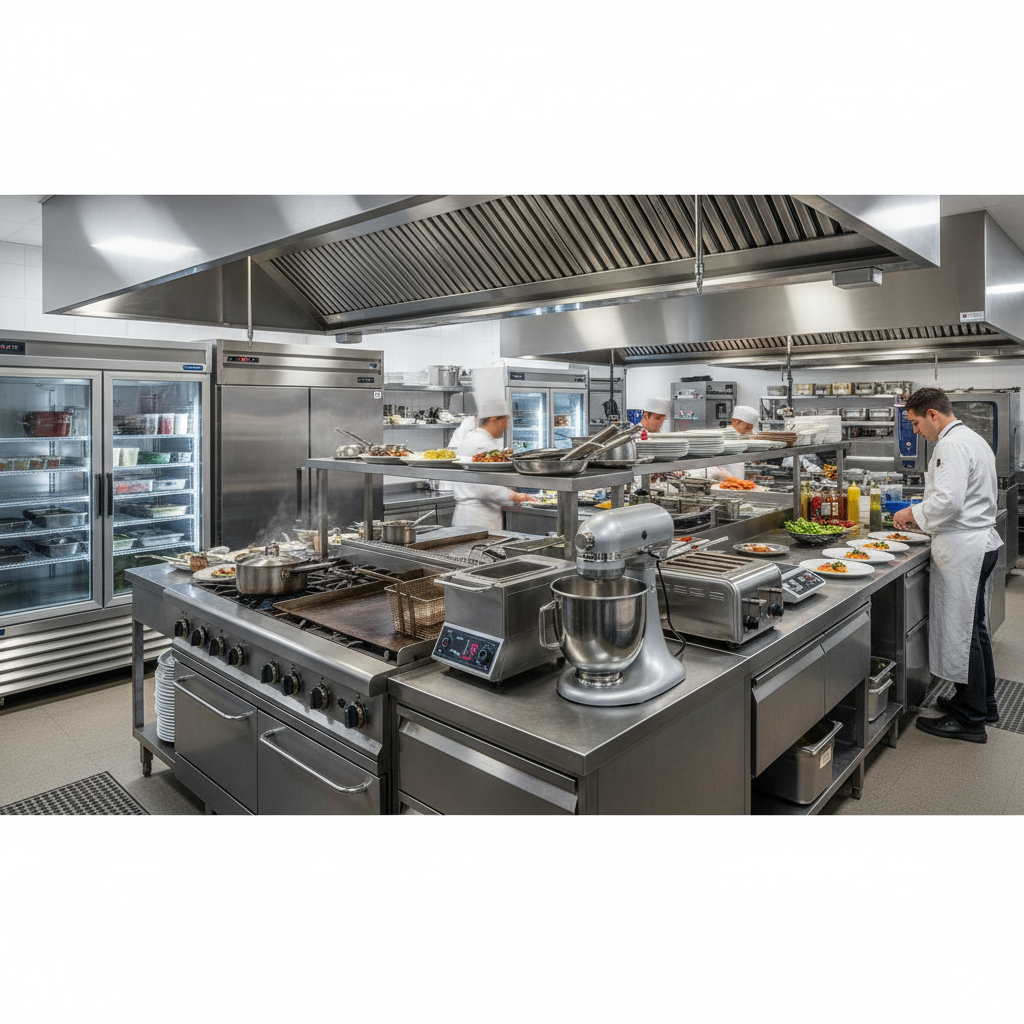
When setting up a kitchen for a restaurant, investing in essential cooking equipment is crucial for functionality and efficiency.
Quality equipment not only enhances the cooking process but also ensures consistent food quality.
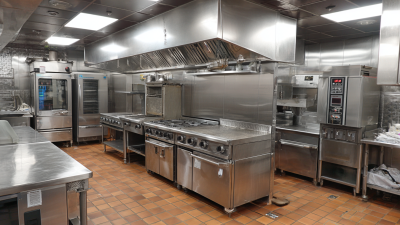
Key items include commercial-grade stoves and ovens, which are vital for preparing a variety of dishes.
Having a reliable, high-capacity oven allows chefs to bake, roast, and broil dishes simultaneously, optimizing cooking time and maximizing output during busy service hours.
In addition to cooking surfaces, investing in high-quality refrigeration units is essential for maintaining ingredient freshness.
Commercial refrigerators and freezers provide the necessary storage conditions for perishable items, ensuring safety and minimizing food waste.
Furthermore, specialized equipment like fryers, griddles, and steamers can greatly expand a restaurant's menu capabilities, allowing for diverse cooking methods that cater to different tastes.
By prioritizing these key cooking tools, restaurant owners can create a well-equipped kitchen that supports their culinary vision and streamlines everyday operations.
Maintenance Tips for Prolonging the Life of Kitchen Equipment
When setting up a restaurant kitchen, maintaining equipment is crucial for longevity and performance. One of the primary maintenance tips is to establish a regular cleaning schedule. This involves daily, weekly, and monthly tasks tailored to each appliance.
For instance, ovens and fryers should be cleaned after each service to prevent buildup that can affect flavor and efficiency. Regularly checking and replacing filters in ventilation systems can also enhance air quality and reduce fire hazards, ensuring a safer and more productive work environment.
Additionally, operators should prioritize proper training for staff on using and caring for equipment. Familiarizing employees with each machine's operational nuances can minimize mishandling and extend the equipment's lifespan. Regular inspections for signs of wear and tear, like frayed cords or leaks, should be conducted, allowing timely repairs that can prevent costly replacements down the line.
Lastly, keeping a detailed log of maintenance activities helps track equipment history and assists in budgeting for future repairs or upgrades, ensuring a well-functioning kitchen for years to come.
Safety Standards and Compliance in Restaurant Equipment Selection
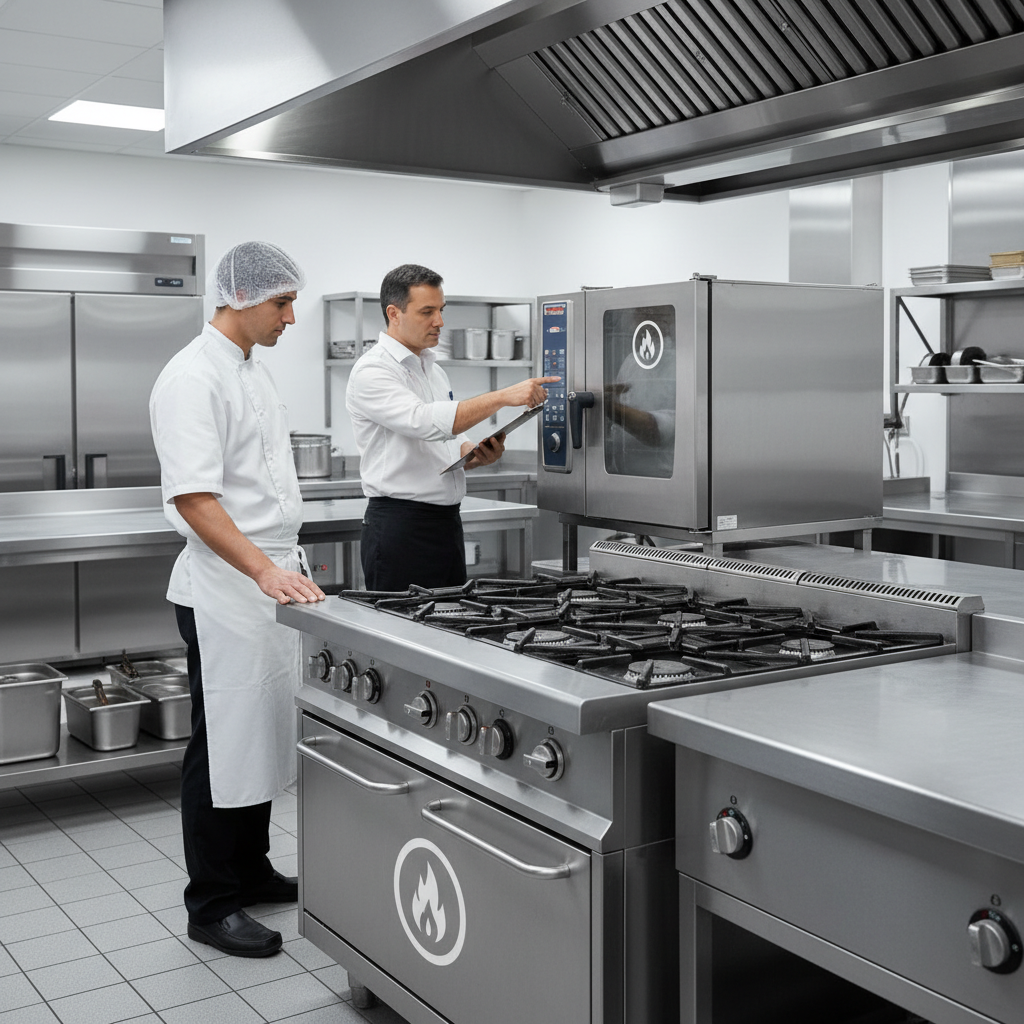
Ensuring safety standards and compliance in restaurant equipment selection is a critical component for any successful kitchen setup. According to the National Fire Protection Association (NFPA), more than 65% of restaurant fires are caused by cooking equipment, underscoring the importance of selecting compliant equipment that meets local fire codes. When choosing appliances, operators should prioritize models that have undergone rigorous testing and certification by organizations such as Underwriters Laboratories (UL) or the American National Standards Institute (ANSI). These certifications not only guarantee that equipment meets safety standards but also enhance the overall safety of the kitchen environment.
Additionally, compliance with health regulations is paramount. The Food and Drug Administration (FDA) mandates specific sanitation standards for food preparation equipment to minimize the risk of foodborne illnesses. A study from the CDC indicates that improper restaurant equipment and practices contribute to roughly 48 million foodborne illness cases annually in the U.S. Therefore, it is essential to invest in high-quality, compliant equipment that features easy-to-clean surfaces and proper drainage systems to facilitate sanitation. By prioritizing safety standards and compliance in their equipment selection, restaurant operators can create a safer kitchen environment, ultimately protecting their staff and guests while maintaining operational efficiency.
Budget-Friendly Options for Equipping a New Restaurant Kitchen
Equipping a new restaurant kitchen on a budget doesn’t have to compromise quality or efficiency.
A 2022 report from the National Restaurant Association indicated that
nearly 60% of new restaurant owners are exploring
budget-friendly options without sacrificing the necessary tools for success. This means selecting
versatile, multi-functional equipment that can perform various tasks. For instance, investing in a
high-quality convection oven can replace several cooking appliances,
serving both baking and roasting needs.
Additionally, sourcing used or refurbished equipment can
lead to significant savings. According to a survey by Foodservice Equipment & Supplies, approximately
40% of operators reported purchasing used equipment
to stretch their budgets further while maintaining operational efficiency. Investing in durable, proven
brands, even if they are pre-owned, can ensure long-term reliability. By prioritizing essential equipment
thoughtfully, new restaurant owners can create a successful kitchen setup that remains within budget while
meeting the demands of a thriving culinary environment.