What Is Clay Litter and How Does It Work?
Clay Litter is a common choice for household cats, but its simple appearance can hide different materials and behaviors. Most clay litter is made from absorbent minerals. Some products contain bentonite, which forms firm clumps when wet. Others absorb moisture without clumping. That difference affects daily scooping, cleanup, and how often the box needs fresh litter.
Here is the basic idea. Dry granules take in liquid and help keep it from spreading across the litter box. In clumping formulas, moisture binds nearby particles together, creating a scoopable mass. Some products also help control odor by trapping moisture, though no litter removes the need for regular cleaning. Dust levels, granule size, and tracking vary by product, so the bag’s claims are worth checking against what actually happens at home. A dusty pour can settle on the box rim. Tiny granules may follow a cat’s paws onto the floor.
Small details matter. This guide explains what clay litter is, how it works, and what its common types mean in practice. It also considers practical trade-offs, including weight, cleanup, dust, and tracking. Results can differ between brands and homes; one cat may accept a texture that another avoids. That uncertainty deserves attention. Understanding the material can help you make a more informed choice, while observing your cat’s comfort remains essential.
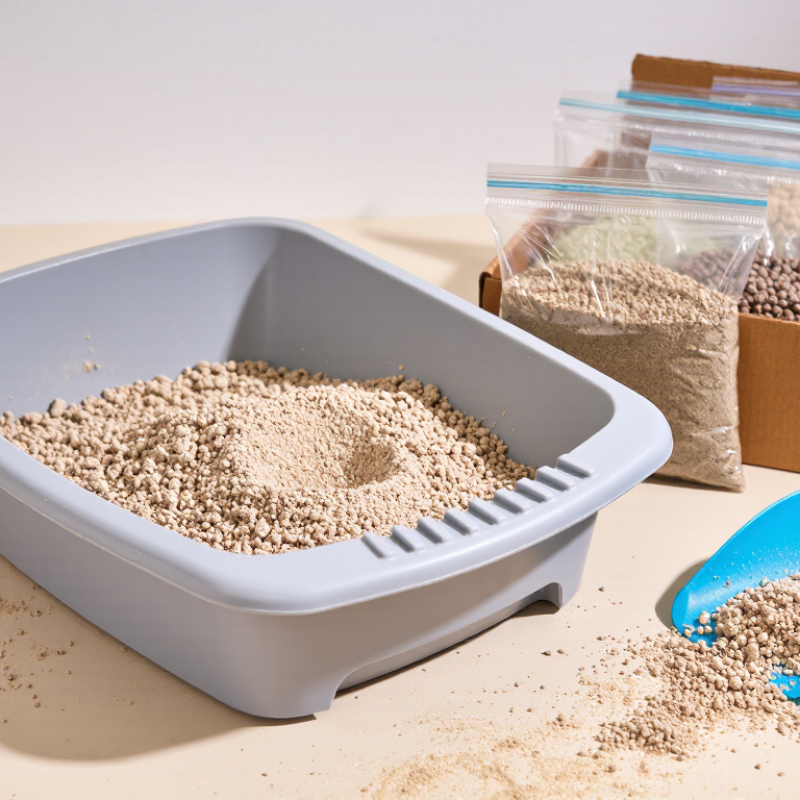
What Clay Litter Is Made Of
Clay litter is made mainly from naturally occurring clay minerals that are mined, dried, and processed into granules. Many clumping litters use bentonite, especially sodium bentonite. When it contacts urine, this clay absorbs moisture and swells, binding nearby granules into a scoopable lump. Non-clumping varieties may use other clay types, such as calcium bentonite, which absorb liquid without forming the same firm clump.
The granules can range from fine, sand-like particles to larger pieces. A finer texture may feel softer under a cat’s paws, but it can also create more dust. Some formulas include added fragrance or deodorizing ingredients; others contain only processed clay. Check the ingredient information, because composition and dust levels vary. The mineral itself is not the whole story. Processing matters.
In a litter box, clay’s tiny pores take up moisture and help contain odor by trapping some liquid and waste. A fresh scoop often feels dry on the outside, while the center remains damp. That detail is easy to miss. Dust can settle on the box rim or nearby floor, especially when litter is poured quickly. Clay litter also feels heavier than many plant-based options, which can matter when carrying a full container. The material sounds simple, though its texture and performance can differ noticeably from one formula to another.
What Is Clay Litter and How Does It Work?
Clay litter is made from natural clay minerals. Many clumping varieties use sodium bentonite, which absorbs moisture and swells.
How to read the chart: Bars show the order of the process, not measured performance. When liquid reaches sodium-bentonite granules, they absorb moisture, swell, and bind together into a clump that can be scooped out. Clay types and added ingredients vary by product.
The Main Types of Clay Litter
Clay litter is commonly sold as clumping or non-clumping, and the difference is how each handles moisture. Clumping litter often contains bentonite clay, which absorbs liquid and forms a scoopable mass. When a cat urinates, the wet patch binds together while much of the surrounding litter stays loose. This can make daily cleaning more targeted. Many users remove clumps once or twice a day, depending on the number of cats and the tray’s condition. Dust matters. Pour slowly, since a sudden cloud can irritate sensitive noses.
Non-clumping clay absorbs liquid but usually remains granular rather than forming a firm clump. It may suit households that prefer a simple routine, though the litter often needs more frequent full replacement as moisture and odor accumulate. Both types can track beyond the tray; small grains may appear on nearby floors or mats. Low-dust formulas can reduce airborne particles, but no litter is entirely dust-free. Still, labels are not guarantees. Watch what happens when the tray is used: persistent dampness, strong odor, or a cat avoiding the box may mean the litter or cleaning schedule needs reconsidering. The best choice depends on the cat’s habits, the caretaker’s routine, and how easily the tray can be kept dry.
How Clay Litter Absorbs Moisture
Clay litter absorbs moisture through tiny spaces between mineral grains and, in some types, within the clay’s layered structure. When liquid reaches sodium bentonite, water enters those layers and makes particles swell. The grains press together, forming a damp clump that can be lifted from the tray. The change is visible. Other clay minerals may hold liquid in pores without clumping as firmly, so performance depends on the mineral and particle size.
The U.S. Geological Survey’s Mineral Commodity Summaries 2024 estimated U.S. bentonite mine output at about 4.6 million metric tons in 2023. That figure shows the mineral’s broad industrial use; it is not a measure of cat-litter absorbency. For a more relevant material test, ASTM D5890 measures bentonite’s free-swell index in water. Neither test tells a pet owner exactly how much liquid a particular litter will hold in daily use.
In a litter tray, moisture may spread unevenly. A small puddle can form a tight clump, while liquid near the tray bottom may create a softer, harder-to-scoop patch. Depth, granule size, and how quickly waste is removed all matter. “Absorbency” is not one fixed number. I would treat package claims cautiously unless they explain the test method; real trays are messier than laboratory samples.
What Is Clay Litter and How Does It Work? - How Clay Litter Absorbs Moisture
| Dimension | How It Works | Typical Result |
| What clay litter is | A litter made primarily from absorbent clay minerals, commonly bentonite or other natural clays. | Loose granules that take up liquid and help contain wet waste. |
| Moisture absorption | Liquid is drawn into spaces between particles and held on or within the clay granules. | The surrounding litter becomes damp where urine lands, while much of the remaining litter stays loose. |
| Clumping clay | Moisture causes swelling bentonite particles to bind together. | Forms a scoopable clump that can usually be removed along with solid waste. |
| Non-clumping clay | Granules absorb moisture but generally do not bind into a firm, scoopable mass. | Wet litter is removed by scooping or changing the litter, depending on the product and box condition. |
| Odor control | Absorbing liquid helps limit free moisture; odor control also depends on prompt waste removal and litter-box upkeep. | Performance varies with litter formulation, ventilation, cleaning frequency, and the amount of waste. |
| When capacity is reached | As more liquid accumulates, the granules have less capacity to absorb additional moisture. | Litter may feel damp, become harder to keep clean, or allow odors to become more noticeable; replace it as needed. |
| Practical care | Remove waste regularly, maintain an appropriate litter depth, and follow the product’s disposal instructions. | Helps keep the litter box cleaner and supports more consistent moisture and odor management. |
Note: Absorbency and clumping performance vary by clay type, particle size, and product formulation.
How Clumping and Non-Clumping Litter Work
Clumping clay litter usually relies on sodium bentonite, a clay that swells when wet. Liquid binds nearby granules into a firm mass, which can be lifted from the tray with a scoop. The remaining litter stays relatively dry, provided the box has enough depth and clumps are removed regularly. In practice, the edges can crumble. A scoop may leave damp crumbs behind.
Non-clumping clay absorbs liquid into its granules instead of forming a scoopable mass. Moisture can spread through the layer, so owners generally remove solid waste and replace the litter more often. The exact performance varies with clay type, granule size, and litter depth. Small details matter. The U.S. Geological Survey’s Mineral Commodity Summaries 2024 estimated U.S. bentonite production at 4.7 million metric tons in 2023; that total covers many uses, not cat litter alone. It illustrates the scale of the mineral supply, but does not measure litter effectiveness. Dust and tracking also differ by product, so checking the tray after use is more reliable than assuming every clay behaves alike. I find the neat clumping-versus-absorption distinction useful, though real trays are rarely so tidy.
Key Benefits and Limitations of Clay Litter
Clay litter is made from absorbent minerals that take in moisture. Clumping varieties often contain bentonite, which binds wet litter into scoopable lumps. This can make daily cleaning quick: remove the clumps, then add fresh litter as needed. It is practical. Many cats also recognize its familiar, sandy texture. A shallow layer in the tray can be enough, though the right depth depends on the cat’s digging habits.
The trade-offs matter. Clay can be heavy to carry, especially in large bags. Fine dust may rise when litter is poured or kicked, and some cats or people may find that irritating. Granules can cling to paws and turn up beside the tray. A mat helps, but it will not catch every piece. Non-clumping clay absorbs moisture, yet usually needs more frequent full changes to limit odors. Clumping litter still needs regular scooping and tray washing; it does not remove every source of smell. Most clay litter should not be flushed, so disposal takes planning. I’ve found that odor control also depends on tray placement, ventilation, and how often waste is removed. A litter that seems convenient at first may not suit every household.