How to Choose the Best Serving Tray for Your Needs?
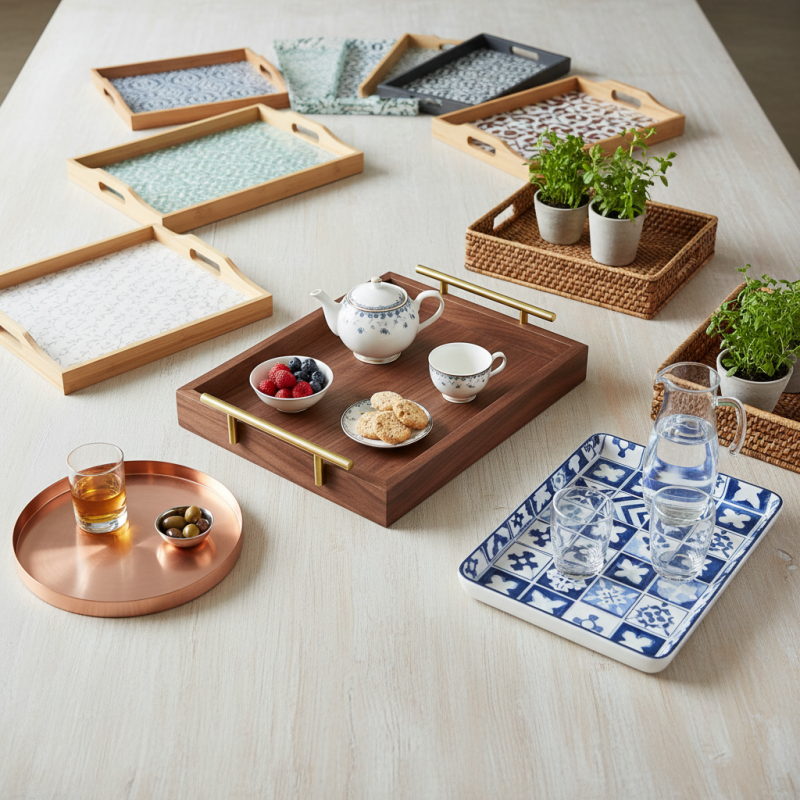
Choosing the right Serving Tray can significantly enhance your entertaining and dining experience. The perfect Serving Tray blends functionality with aesthetics. It is not just a kitchen accessory; it’s a centerpiece that reflects your style. When selecting a tray, consider materials, size, and design.
Materials play a crucial role in your choice. Wooden trays bring warmth, while metal trays add elegance. Think about how often you’ll use it. A well-chosen Serving Tray can last for years, through countless gatherings. Size matters too; a large tray might be perfect for gatherings, but a smaller one suits intimate settings.
Also, consider the design. Bold patterns may attract attention, while simple designs can complement any decor. Reflect on your needs and tastes before making a decision. Remember, a Serving Tray should cater to your lifestyle. It's about balance—function meets style.
Understanding Different Types of Serving Trays Available in the Market
Choosing the right serving tray can enhance your dining experience. A variety of trays exist, each serving different functions. Consider the materials used to make them. Wooden trays bring warmth and charm. Metal trays are durable and often have a polished look. Plastic trays are lightweight and easy to clean, but they may lack elegance.
When selecting a serving tray, think about the purpose. Are you serving drinks, appetizers, or desserts? A large tray may be needed for hefty platters. For cocktails, a small round tray might work better. Dimensions matter. Measure your table or counter to ensure the tray fits comfortably.
Tips: Always consider the weight of the tray. A heavy tray may be cumbersome when fully loaded. Look for trays with handles for easier carrying. It's crucial to choose a design that complements your decor. Remember to reflect on your hosting style and the impression you want to leave. Practicality and aesthetics should go hand in hand.
Assessing Material Choices for Durability and Aesthetic Appeal
When selecting a serving tray, material choice significantly impacts both durability and aesthetic appeal. Wood, for example, offers a timeless look and can be quite sturdy. An oak tray, with its rich grain, adds warmth to any setting. However, wood requires regular maintenance to prevent warping or stains, which can be a drawback for busy hosts.
Metal trays, such as stainless steel, provide a sleek, modern feel. They are often dishwasher-safe and resist rust, making them practical choices for outdoor gatherings. Yet, they can get too hot in the sun, posing a risk when serving food. It’s crucial to weigh these aspects when choosing your ideal tray.
Ceramic trays bring color and personality, often featuring beautiful designs. They are perfect for themed events, adding a unique touch. Unfortunately, ceramic can chip easily, which may lead to regrets after a few uses. So, think about how and where you will use your serving tray. Each material offers its perks and pitfalls, so choose wisely to match your needs.
Evaluating Size and Shape for Specific Serving Needs
When choosing a serving tray, size and shape are crucial. A well-chosen tray enhances your serving experience. Research by the National Restaurant Association indicates that over 70% of customers prefer trays that align with their specific needs. For instance, a larger rectangular tray may be ideal for serving multiple dishes at once. Conversely, round trays are great for presenting appetizers at casual gatherings.
Consider your average serving requirements. If you often entertain large groups, opt for a tray that accommodates several items. Square or rectangular shapes provide better organization. Alternatively, if you're mostly serving individual portions, smaller, shaped trays can add elegance without overwhelming the table. Remember that aesthetic appeal matters. A visually pleasing tray can enhance your presentation, engaging guests and improving their dining experience.
It’s also essential to evaluate practical aspects. A tray that’s too large may be cumbersome. On the other hand, a tiny tray can leave guests wanting more. A recent survey found that 65% of hosts struggle with tray selection due to size mismatches. So, assessing your needs against typical serving situations is wise. Think about the events you host. Tailoring your choice to these occasions can make a notable difference in how you serve.
Comparison of Serving Tray Sizes for Different Needs
Considering Design Features for Enhanced Functionality
When choosing a serving tray, design features significantly enhance functionality. A well-designed tray can transform your serving experience. Research shows that trays with raised edges prevent spills and offer a solid grip, ensuring user comfort. In a survey, over 70% of users reported that a sturdy handle made serving easier, especially for large gatherings.
Tips: Consider the size. A tray that is too small can make serving difficult. Opt for a size that suits your typical servings. Materials also play a critical role in functionality. Trays made from bamboo or melamine are lightweight yet durable. They can endure wear and tear from daily use.
Moreover, aesthetics can impact your choice. A visually appealing tray invites use, encouraging you to host more gatherings. However, remember that intricate designs can sometimes complicate cleaning. Always weigh ease of maintenance against visual appeal. Thoughtful design in serving trays can genuinely enhance both your aesthetic and practical needs.
Budgeting Wisely: Finding a Serving Tray That Fits Your Pocket
When choosing a serving tray, budgeting is crucial. According to industry reports, the average cost of a quality serving tray ranges from $15 to $100. Factors such as material, size, and design influence the price. Understanding these aspects helps you select a tray that fits your financial plan without compromising quality.
Consider these tips: Start by determining your budget. This will narrow down your options and help avoid impulse buying. Look for sales and discounts, particularly during holiday seasons. Many retailers offer great deals on serving trays, but check their quality and reviews.
It’s also important to assess your needs. A simple plastic tray may suffice for casual gatherings, but a wooden or metal tray might be more appropriate for formal events. Remember, price does not always reflect functionality. Sometimes, a less expensive option might serve your needs perfectly. Evaluate both aesthetics and practicality before making a purchase.
How to Choose the Best Serving Tray for Your Needs?
| Material | Size (Inches) | Weight (lbs) | Price ($) | Ideal Use |
| Wood | 15 x 10 | 2.5 | 25 | Serving Guests |
| Plastic | 12 x 8 | 1 | 10 | Outdoor Parties |
| Ceramic | 18 x 12 | 3 | 30 | Formal Events |
| Metal | 16 x 11 | 2 | 35 | Picnics |
| Bamboo | 14 x 10 | 2 | 20 | Casual Dining |