How to Choose the Best Rain Shower for Your Bathroom?
Choosing a Rain Shower for your bathroom can feel overwhelming. With various styles and features, how do you find the right one? A rain shower offers a luxurious experience, transforming your daily routine. The gentle rainfall mimics a soothing ambiance, creating a spa-like atmosphere in your home.
Consider your bathroom size and water pressure before making a choice. A larger rainfall shower head might overwhelm a small space, leading to dissatisfaction. Ensure that your plumbing can handle the flow rate. It's frustrating to invest in a beautiful rain shower only to discover inadequate performance.
Take time to research different designs and finishes. Some models might look great but lack functionality. Look for customer reviews that reflect real experiences. This process can help prevent buyer's remorse and ensure a rewarding upgrade. Ultimately, a well-selected rain shower can enhance your bathing routine and add value to your home.
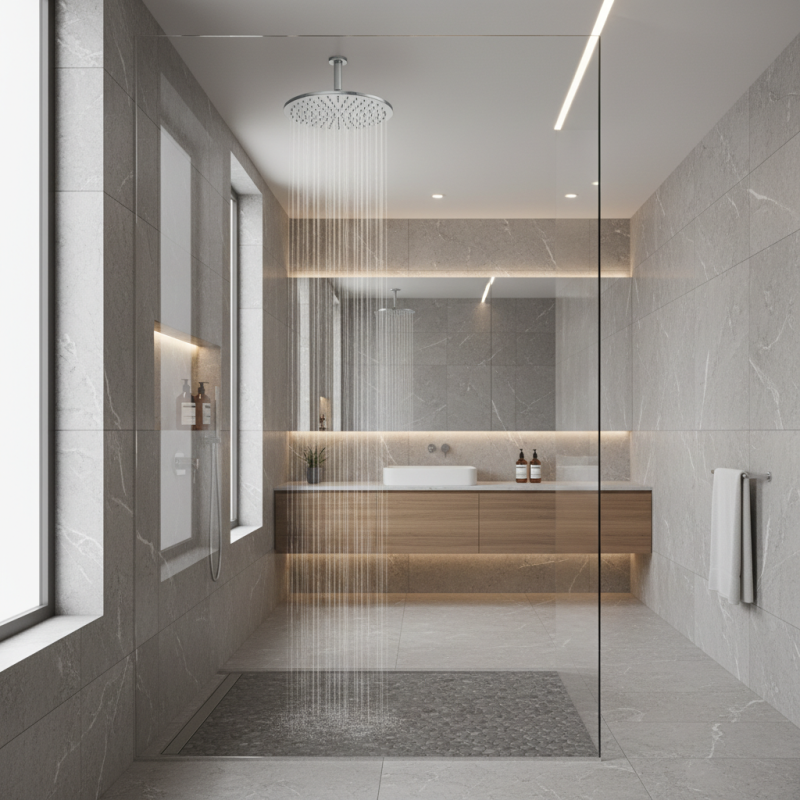
Understanding the Basics of Rain Showers for Your Bathroom
Rain showers have become a popular choice for many bathroom renovations. They provide a soothing experience that mimics natural rainfall. According to recent industry surveys, about 45% of homeowners now prefer rain shower heads over traditional options. This shift reflects a growing desire for comfort and luxury in daily routines.
When choosing a rain shower, consider the flow rate. Showers typically flow at a standard rate of 2.5 gallons per minute. Some rain shower heads offer more water-efficient models. These can reduce consumption to 1.75 gallons. This option is better for eco-conscious consumers. However, the lower flow rate might not provide the same experience, leading to dissatisfaction.
Installation factors play a crucial role in choosing the right rain shower. Ceiling-mounted options require appropriate plumbing adjustments, which can be costly. Wall-mounted showers may not offer the same rain-like feel. Additionally, pay attention to the size and design of the shower head. The diameter affects water coverage. A larger head provides broader coverage, but might splash outside the shower area, creating messes. Evaluating these factors can help you make a more informed decision.
Factors to Consider When Choosing a Rain Shower
When selecting a rain shower for your bathroom, several crucial factors come into play. Water pressure is significant. Many rain showers require at least 2.5 gpm (gallons per minute) for optimal performance. In homes with low water pressure, users may face disappointing results. A rainfall effect may not occur if the pressure is too weak. Assessing your existing plumbing system is essential before making any decisions.
Another critical aspect is the size and style of the showerhead. Most rain showerheads range from 8 to 12 inches in diameter. Larger heads produce a more immersive experience. Yet, they can be harder to install in smaller bathrooms. The height of the showerhead also matters. A head that is too low may cause discomfort. According to industry research, many users prefer an installation height of 78 to 84 inches for maximum coverage.
Material quality adds another layer of complexity. Most rain showers are made from stainless steel or brass. Stainless steel is more resistant to corrosion, while brass often boasts better durability. However, cheaper options may use plastic, which can wear out quickly. Realizing that not all lower-cost options provide lasting value can save time and disappointment in the long run. Make sure to weigh your desires against practical considerations.
How to Choose the Best Rain Shower for Your Bathroom? - Factors to Consider When Choosing a Rain Shower
| Factor | Description | Importance Rating (1-5) |
| Water Pressure | Ensure your home's water pressure is suitable for a rain shower system. | 5 |
| Size and Style | Choose the size and style that fits your bathroom aesthetics. | 4 |
| Material | Select durable materials resistant to corrosion and stains. | 5 |
| Installation Type | Determine if you need a ceiling mount or wall mount installation. | 3 |
| Features | Consider additional features like LED lighting or adjustable spray patterns. | 4 |
| Budget | Establish a budget that includes both product and installation costs. | 5 |
Different Types of Rain Showers and Their Features
When choosing a rain shower, it’s essential to understand the various types available. Classic rain showerheads are popular. They often feature a large, flat design that mimics natural rainfall. Professionals suggest that these models can use around 2.5 gallons per minute (GPM). This efficiency makes them a great option for eco-conscious consumers. Water-saving models are also gaining traction. They can use as little as 1.5 GPM without sacrificing the shower experience.
Another option is handheld rain showers. These come with flexible hoses, allowing for easy maneuverability. Users can direct the water flow as needed, which is ideal for rinsing off soap or washing hair. According to a recent industry report, this flexibility can lead to a more personalized shower experience. However, the downside is that some people find them less aesthetically pleasing compared to fixed models.
Ceiling-mounted rain showers provide a luxurious feel. They offer an even flow of water from above, similar to a spa experience. But, installation may require more effort and cost. Some homeowners might overlook this due to the complexity involved. In addition, rainfall systems with multiple jets can create a rain-like ambiance. Yet, they may come with higher water consumption rates. People often have to weigh the benefits against the potential increase in water bills.
How to Measure Your Bathroom for the Perfect Fit
When measuring your bathroom for the perfect rain shower, the first step is to examine your existing space. Consider the height of your ceiling. A standard height is around 8 feet, but many homes vary. If your ceiling is higher, ensure the shower head can have an adjustable height. This allows for comfort during use.
Next, take note of the dimensions of your shower area. Measure the width and length carefully. A rain shower typically requires more space than a standard showerhead. You’ll want at least 36 inches for comfort. Avoid tight corners; they can restrict the flow of water and reduce your shower experience.
Tips to consider include visualizing the layout before installation. Mark where the showerhead will go. This simple step helps you see how it fits in the space. Adjust the position if needed. Lighting also plays a role. Ensure the area feels inviting and bright. Sometimes we overlook these details; they really matter. Ultimately, a well-planned rain shower can transform your bathroom into a personal spa.
Shower Head Dimensions Comparison
Installation Tips for Your New Rain Showerhead
Installing a rain showerhead can elevate your shower experience. Understanding some key installation tips can help you achieve the best result. Surveys show that over 70% of homeowners prefer showerheads that provide a spa-like experience. To start, make sure to check the water pressure. Ideally, it should be between 40-60 psi for optimal performance. Too low or too high might affect your shower's effectiveness.
When positioning your rain showerhead, consider the height and angle. The head should be at least 80 inches above the floor for maximum coverage. Most reports indicate that improper placement can lead to water pooling on the floor. Seal all joints properly to prevent leaks. Using Teflon tape on threaded connections is highly recommended by professionals.
Additionally, think about the mounting options. A ceiling mount can create a more luxurious feel, while a wall mount is often easier to install. But these choices may require different plumbing adjustments. Some may struggle with this; research indicates nearly 30% of DIYers encounter issues during installation. Taking your time, double-checking measurements, and ensuring you have the right tools are crucial steps.