How to Choose the Best Block Board for Your Projects?
Choosing the right Block Board for your projects is crucial. It can determine the success of your build. Block Board, known for its durability and stability, is widely used in furniture making and interior design. Selecting quality materials is essential for any construction or DIY task.
Many options exist on the market today. Not all Block Boards are created equal. You must consider factors like thickness, core material, and surface finish. Each of these aspects greatly influences the board's overall performance. A poor choice can lead to issues down the road—like warping or poor aesthetic appeal.
Reflecting on your project needs is key. Identify how you will use the Block Board. Will it be in high-moisture areas? Or will it serve as a decorative element? Your answers will guide your decision. Understanding these elements can be challenging. However, careful consideration will lead to better outcomes. This guide aims to simplify the selection process and help you make informed decisions.
Understanding Block Board and Its Applications
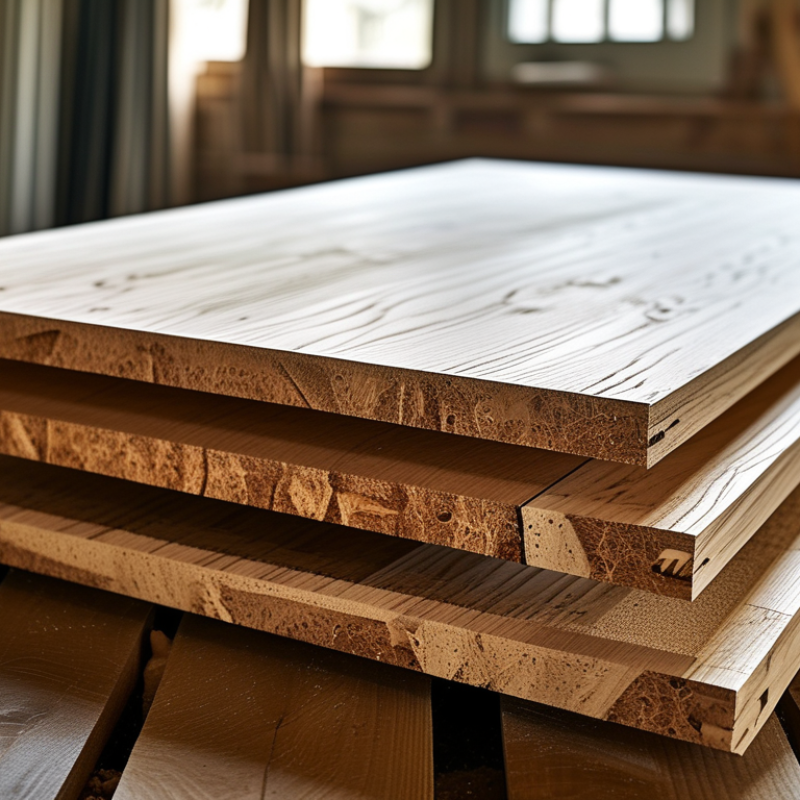
Block board is a versatile material widely used in furniture, cabinetry, and interior design. Understanding its properties can significantly influence your project choices. Made from layers of wood glued together, block boards offer strength and stability. According to industry reports, the global block board market is expected to grow at a CAGR of 6.5% over the next five years, reflecting its increasing popularity in various applications.
When selecting block board for your projects, consider the intended use. For furniture, a thickness of 18mm is often ideal. Lighter applications may benefit from thinner boards, while heavier installations require thicker variants. Keep in mind that not all block boards are created equal. Some variants may warp or delaminate over time, especially in moist conditions. Evaluating quality is crucial. Look for certifications that ensure durability and adherence to safety standards.
Tip: Always check for environmental certifications. This ensures the block board is sourced sustainably. Additionally, plan for possible imperfections. Not all block boards will meet expectations, so having an alternative option can save time. A systematic approach to testing samples before purchasing can be beneficial. This allows you to assess performance characteristics firsthand.
Evaluating Materials: Types of Woods Used in Block Boards
Choosing the right block board starts with understanding the types of woods used. Various woods have different properties, strengths, and weaknesses, which can significantly affect your project. For instance, popular options include plywood and particle board, but solid wood like pine offers better durability.
When selecting materials, consider how much weight the block board must support. Heavier woods like oak provide stability but may increase costs. Lighter woods, such as poplar, are easier to work with but may not be suited for heavy loads.
**Tips:** Test samples before committing. This can save time and ensure the wood fits your needs. Check for defects like knots or warping. Furthermore, always prioritize sourcing from reputable suppliers to guarantee quality. Inspect the finish and moisture content, as these affect longevity and performance in various conditions.
How to Choose the Best Block Board for Your Projects? - Evaluating Materials: Types of Woods Used in Block Boards
| Type of Wood | Characteristics | Common Uses | Durability | Cost |
| Pine | Lightweight, softwood, easy to work with | Furniture, cabinetry | Low to moderate | Low |
| Birch | Hardwood, strong, and durable | Cabinetry, plywood | High | Medium |
| Oak | Very durable, attractive grain | Furniture, flooring | Very high | High |
| MDF | Smooth, dense, and versatile | Cabinetry, moldings | Moderate | Low |
| Bamboo | Sustainable, strong, and lightweight | Furniture, flooring | High | Medium |
Assessing Strength and Durability for Project Needs
When selecting block boards, strength and durability are paramount. Different projects demand varying levels of resilience. For instance, furniture construction often requires sturdier materials compared to decorative uses. Assess the weight and stress your project will experience. Heavy loads need thicker boards and better core materials.
Wood species significantly influence durability. Hardwoods typically outlast softwoods. However, the cost may vary considerably. It's crucial to balance budget constraints with the longevity of the material. Consider environmental factors too. Humidity and temperature fluctuations can lead to warping or splitting.
It's wise to test samples before making a final decision. Some boards may appear perfect but could hide defects. Knots, voids, or uneven surfaces are common issues. Inspect each piece closely. Seek expert advice if uncertain about your choice. The right block board can make or break your project. Use quality materials to ensure lasting results.
Factors to Consider: Thickness, Size, and Finish Options
When selecting the best block board for your projects, consider key factors such as thickness, size, and finish options. Thickness plays a crucial role in determining durability and strength. For example, boards that are 18 mm thick tend to support heavier loads better than their thinner counterparts. Moreover, a recent industry report indicated that thicker boards often contribute to improved sound insulation and stability.
Size is another significant aspect. Block boards can vary widely in dimensions. According to market trends, 2440 mm x 1220 mm (8’ x 4’) boards are among the most commonly used sizes. However, custom dimensions may be necessary for specific projects. It's essential to assess your space and requirements carefully. Larger boards may reduce the need for joints, leading to a cleaner finish.
Finish options can greatly affect the final appearance and longevity of block boards. A well-finished surface can enhance aesthetics and protect against moisture. Many craftsmen report challenges with laminates—while they offer a smooth surface, they can sometimes be difficult to maintain. Choosing the right finish is vital. It should align with both functional needs and design goals. Balancing these factors will help ensure your project meets both expectations and standards.
Cost Comparison: Finding Quality Block Boards Within Budget Limits
When selecting block boards for your projects, cost plays a significant role. Quality often comes at a premium. However, it’s possible to find good block boards within budget limits. Start by determining the specific needs of your project. Think about durability and appearance.
Tips: Consider local suppliers. They often have competitive prices. Compare different types and grades of block boards to assess their quality. Price should not be the only factor; consider the overall value. Check for warranties or return policies for added assurance.
In your search, consider the weight and thickness of the boards. Lighter options might be cheaper but could lack strength for heavy-duty applications. Don't hesitate to ask for samples before making large purchases. Test the boards’ sturdiness and finish.
Finding the right balance between cost and quality can be challenging. It requires careful research and a willingness to adjust expectations. Keep in mind that even slightly more expensive boards might save you money in the long run through improved durability. Emphasizing quality can lead to better outcomes in your projects.