2026 How to Choose the Right Restaurant Equipment for Your Business?
Choosing the right restaurant equipment is crucial for success. A recent report from IBISWorld indicates that the restaurant equipment market reached $32 billion in 2022, showcasing steady growth. The demand for quality equipment remains high.
Restaurant equipment can significantly impact your operations. High-quality units enhance efficiency and reduce long-term costs. However, many businesses struggle with this decision. Some purchase equipment without understanding their specific needs. Others invest in trendy items instead of practical choices.
Consider the long-term implications of your equipment selection. Poor choices may lead to increased maintenance costs and operational downtime. Assess your menu and workflow to make informed decisions. Balancing quality and affordability is essential to sustain your business in a competitive market.
Understanding Your Restaurant's Specific Needs and Menu
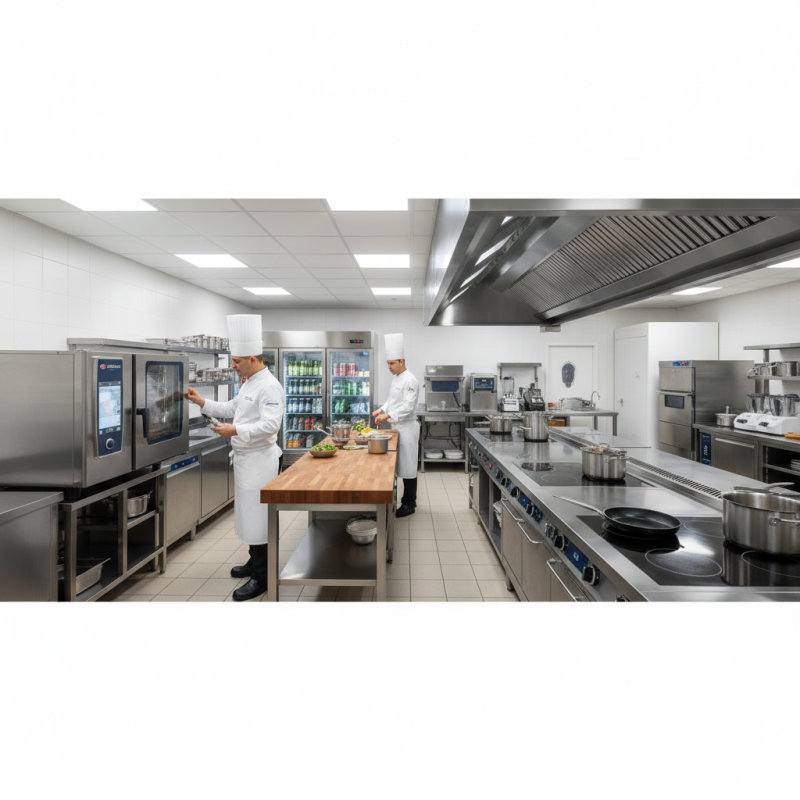
When selecting the right restaurant equipment, understanding your specific needs is essential. Think about your menu first. Is it casual or fine dining? A pizza restaurant requires different tools than a sushi bar. Identifying your cuisine helps narrow down choices.
Consider the flow of your kitchen. High-volume menus need efficient machines. A blender might not cut it for a smoothie shop. Instead, invest in a commercial model. Sometimes, spending a bit more on efficiency saves money in the long run.
Don’t overlook storage space. Heavy equipment can take up room. You might need an extra fridge, but where will it fit? Planning is crucial. Research your space thoroughly before buying. Make mistakes, learn, and adapt. Each piece of equipment should serve a purpose to support your vision.
Evaluating Different Types of Kitchen Equipment and Their Functions
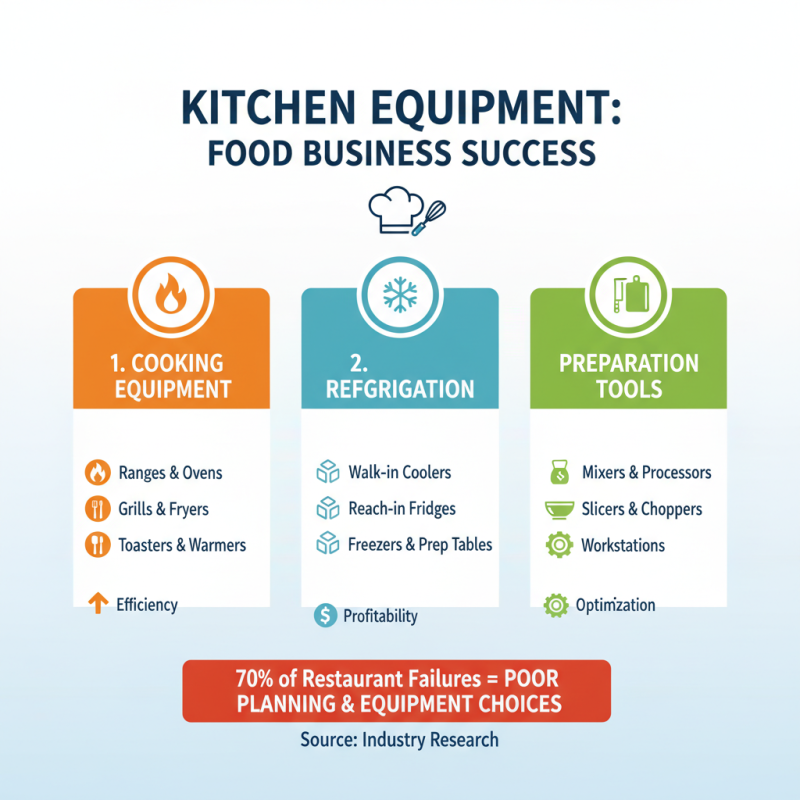
Choosing the right kitchen equipment is crucial for any food business. Evaluating different types can significantly impact efficiency and profitability. Cooking equipment, refrigeration, and preparation tools each play essential roles. Research shows that over 70% of restaurant failures stem from inadequate planning and poor equipment choices.
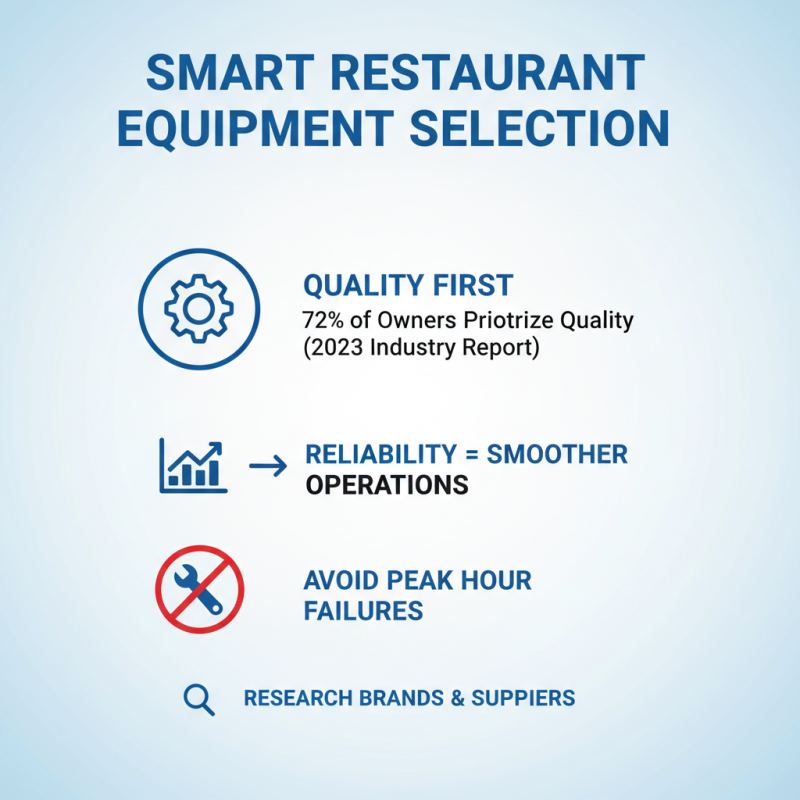
For cooking, convection ovens and fryers are popular. They enhance food quality and speed. Yet, these units require proper maintenance. Many operators overlook this. Regular checks can prevent costly breakdowns. In a survey, 40% of chefs reported equipment failure during peak hours, affecting service.
Refrigeration is another vital area. A reliable system preserves food and reduces waste. Energy-efficient units can cut costs by 25%. However, businesses often neglect proper placement and airflow requirements. Mismanagement can lead to spoiled ingredients and financial loss. In a recent report, 30% of restaurant owners faced inventory loss due to refrigeration issues.
Assessing Budget Constraints and Finding Cost-Effective Solutions
When choosing restaurant equipment, budget constraints often lead to tough decisions. It’s essential to assess what you truly need versus what you want. Often, businesses overspend on high-end models that may not add much value. Consider the actual use of each item. Is it critical for daily operations, or can you manage without it?
Finding cost-effective solutions requires research. Explore used equipment options or local suppliers. Sometimes, online marketplaces offer significant savings on quality items. Don’t forget to check reviews. An item that seems cheap could end up being a poor investment if it breaks down often.
Think outside the box. Can you rent certain equipment instead of buying it outright? This approach might help manage cash flow. Furthermore, talk to peers in the industry. They may provide insights that could save you from costly mistakes. Choosing the right equipment is a process. It’s okay to reflect on what works and what doesn’t. Make adjustments as needed.
2026 Restaurant Equipment Cost Analysis
This bar chart presents the estimated costs of essential restaurant equipment for 2026. Assessing your budget constraints with these costs in mind can help in making informed decisions for your business setup.
Ensuring Compliance with Health and Safety Regulations in Equipment Choices
When setting up a restaurant, choosing the right equipment is crucial. It needs to comply with health and safety regulations. Proper equipment affects food preparation, customer satisfaction, and overall safety. Keeping this in mind is essential.
Tips: Research your local regulations before making purchases. Check dimensions and specifications for available space. Evaluate materials for hygiene and ease of cleaning.
Equipment should be durable but also safe. Stainless steel is popular for its resistance to bacteria. Always inspect for sharp edges or unsafe designs. Make a list of equipment that aligns with safety requirements. It helps in reducing potential risks in your kitchen.
Tips: Consider user feedback on safety and hygiene. Look for equipment with user-friendly features. Establish a maintenance plan to ensure ongoing compliance. Think about how often the equipment will be used and its long-term impact.