How to Choose the Best Aluminium Door Track Profiles?
Choosing the right Aluminium Door Track Profiles is critical in both residential and commercial spaces. With the global aluminium door market projected to reach USD 75 billion by 2025, the significance of quality profiles cannot be overstated. These profiles offer durability and aesthetic appeal, yet not all tracks are created equal.
Professional insights suggest that selecting the best track profile involves several factors, including load capacity, ease of installation, and maintenance requirements. Reports indicate that improper selection can lead to costly repairs and replacements. We must scrutinize the materials and design for long-term performance. A track that seems perfect might not hold up under daily use.
Moreover, aligning your choice with current industry standards is essential. Research shows that energy efficiency is increasingly important, and the right profiles can enhance insulation and reduce thermal bridging. In this evolving market, failing to consider these factors can lead to regrets and lost opportunities. Thus, understanding Aluminium Door Track Profiles is paramount for making informed decisions.
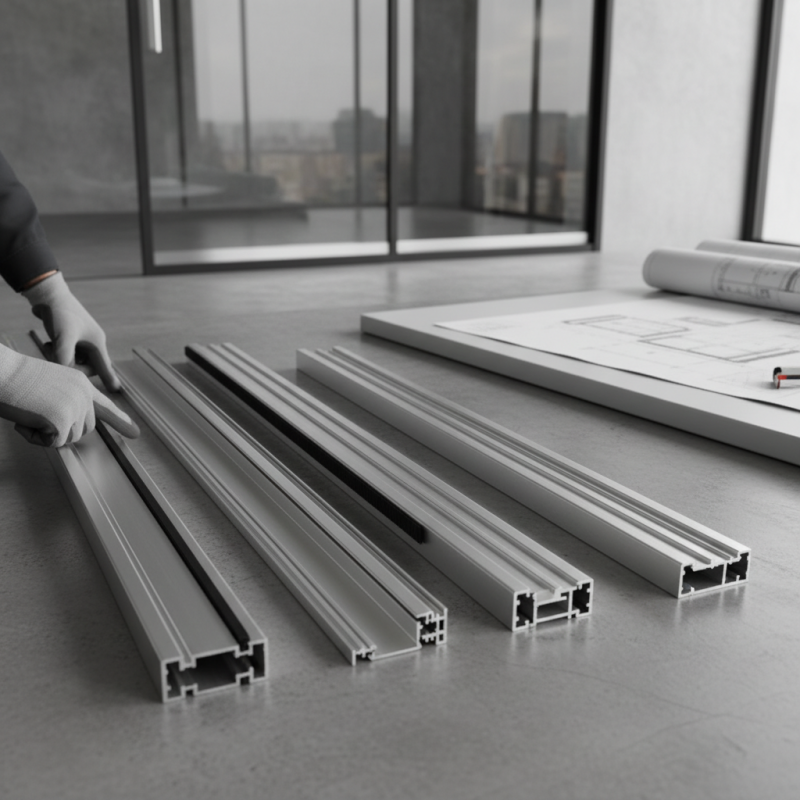
Understanding Aluminium Door Track Profiles: An Overview
Aluminium door track profiles play a crucial role in the functionality and aesthetics of sliding doors. Understanding their components is essential for making informed choices. A study by the American Architectural Manufacturers Association (AAMA) indicates that nearly 55% of homeowners prioritize ease of operation and durability when selecting door tracks. This indicates a clear trend toward high-quality materials and finishes.
The key elements of aluminium door tracks include sizing, weight capacity, and design compatibility. For instance, tracks are typically available in various profiles. Each profile can support different door weights and styles. According to a report by the National Association of Home Builders (NAHB), 40% of construction professionals find that correctly sizing the track reduces installation issues significantly. Many tracks can also be tailored for weather resistance, which is important for outdoor applications.
However, not all profiles are created equal. Some may rust or corrode over time, especially in coastal areas. This can lead to safety concerns and maintenance challenges. An industry report from the Aluminium Federation highlights that track profiles with anodized coatings last longer than untreated ones. Therefore, homeowners and builders must weigh options carefully and reflect on their specific needs before making a choice.
How to Choose the Best Aluminium Door Track Profiles?
| Criteria | Description | Recommended Profile Type |
| Weight Capacity | Determine how heavy the door is to select a track that supports the weight without bending. | Heavy-duty track profile |
| Material Quality | Choose profiles made from high-grade aluminium for durability and corrosion resistance. | Anodized aluminium profile |
| Installation Type | Consider whether the track will be surface-mounted or recessed to fit your design. | Surface-mounted track profile |
| Aesthetics | Choose profiles that match the overall design theme of your space. | Sleek and contemporary track profile |
| Budget | Select a profile that meets your quality needs without exceeding your budget. | Economical yet durable profile |
Key Factors in Selecting Aluminium Door Track Profiles
When selecting aluminium door track profiles, several key factors must be considered. The material's quality greatly influences the longevity of the track. Look for profiles made from high-grade aluminium. This not only enhances durability but also ensures resistance to corrosion. Ease of installation is another crucial aspect. A complicated installation process can lead to frustration. Opt for designs that allow for simple, straightforward mounting.
Weight capacity is essential too. Different profiles support varying weights. Determine the intended use beforehand. Heavy doors need stronger profiles. Balancing the aesthetic appeal with functional design is important. Some profiles may look great but might not perform as needed. Therefore, consider how the track will align with the overall decor and usage of the space. If possible, seek out feedback from existing users. Real-world experiences can provide valuable insights that online descriptions may lack.
Comparative Analysis of Different Aluminium Alloys for Durability
When selecting aluminium door track profiles, the choice of alloy significantly affects durability. Different aluminium alloys possess unique characteristics. For example, 6061 is well-regarded for its strength and resistance to corrosion. This alloy performs well in various environments, making it a popular choice. It is lightweight, yet robust enough for heavy use.
On the other hand, 6063 offers excellent extrudability and is often used for architectural applications. Its finish is smooth and aesthetically pleasing. However, it may not have the same strength as 6061. Customers sometimes overlook this aspect. Understanding the differences between these alloys is crucial for ensuring the longevity of door track systems.
Another option, 7075, is known for its high strength but is less corrosion-resistant. It is more suitable for specialized applications. Users may find that this alloy is overkill for standard installations. Therefore, reflecting on the specific needs and environment of the installation site is essential. Choosing the right aluminium alloy can lead to enhanced performance and durability. Always consider performance against potential downsides for a balanced decision.
Industry Standards for Aluminium Door Track Profiles and Compliance
When selecting aluminium door track profiles, industry standards play a critical role. Compliance ensures safety and functionality. The American Architectural Manufacturers Association (AAMA) sets guidelines that manufacturers must adhere to. These standards include load-bearing capabilities and resistance to environmental factors. Reports indicate that up to 30% of installations fail to meet these standards due to improper profiling or installation.
A common oversight in the selection process is the lack of attention to material thickness. Profiles should ideally have a minimum thickness of 1.5 mm to ensure durability. Yet many profiles on the market come in at just 1 mm. This discrepancy can lead to failures, especially in high-traffic areas. Additionally, many buyers overlook the importance of the finishing process. Profiles must undergo anodizing to enhance corrosion resistance.
Studies have revealed that profiles that do not meet compliance criteria lead to increased maintenance costs of nearly 20%. This reflects not only on the longevity of the installations but also on the overall safety and effectiveness of the doors. It is essential to consider both the technical specifications and the real-world performance data when choosing door track profiles.
Maintenance Tips for Long-lasting Aluminium Door Track Systems
Maintaining aluminium door track systems is essential for ensuring longevity and optimal performance. Regular cleaning is crucial. Dust and debris can accumulate over time, leading to friction. To clean the tracks, use a soft cloth and a mild detergent. Avoid harsh chemicals that may damage the finish. Inspect the tracks regularly for any signs of wear or damage. Small issues can escalate if left unaddressed.
Lubrication is another key aspect of maintenance. Use a silicone-based lubricant for smooth operation. Just a small amount can make a significant difference. Apply it to the tracks and rollers. This reduces noise and improves sliding performance. However, be cautious not to over-lubricate, as excess can attract dirt.
Additionally, check the alignment of the door. Misalignment can cause strain on the tracks and rollers. If you notice any irregularities, adjust the hinges or consult a professional. Paying attention to these details can prolong the lifespan of your aluminium door track systems. Regular maintenance prevents costly repairs in the long run. Neglecting these small tasks may lead to bigger problems later.
Aluminium Door Track Profiles - Performance Comparisons