How to Buy Konjac Healthy Noodles for Your Business Needs?
When considering the purchase of Konjac Healthy Noodles for your business, various factors come into play. These noodles, derived from the konjac plant, are known for their low-calorie and high-fiber content. They cater to health-conscious consumers and offer a unique addition to menus. Sourcing quality Konjac Healthy Noodles can enhance your product line, making it crucial to understand the market and your supplier options.
Many businesses may not fully grasp the implications of quality. Variations in texture and taste exist between different brands. Some noodles may turn mushy when cooked, while others retain a satisfying bite. It’s also essential to consider dietary certifications, as consumers increasingly prioritize gluten-free and vegan options. While it’s tempting to focus solely on price, prioritizing quality ensures customer satisfaction.
Reflect on your business's specific needs. Are you targeting a niche market or a broader audience? This question is vital before deciding on a supplier. A supplier with a dedicated focus on health products may offer more reliable, quality options. Building lasting partnerships with reputable suppliers can ultimately benefit your business in the long run. Each decision should align with your brand’s values and customer expectations.
Understanding Konjac Noodles and Their Health Benefits
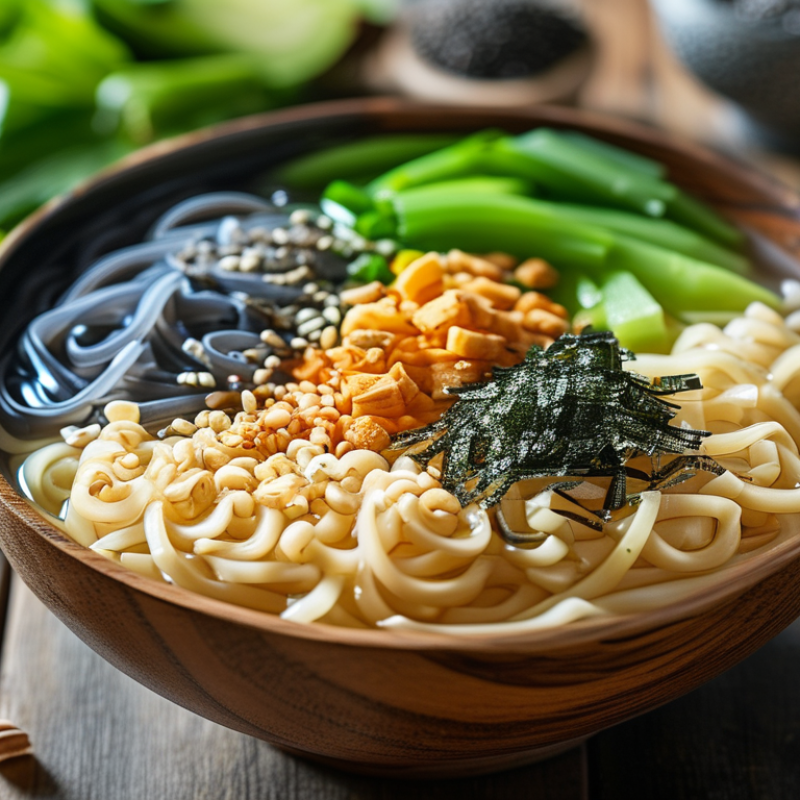
Konjac noodles, made from the konjac plant, are gaining popularity for their health benefits. These noodles are low in calories and high in dietary fiber, making them an excellent option for those looking to manage their weight. They also have a unique texture, often compared to traditional pasta. Understanding these characteristics can help you make informed decisions for your business needs.
When purchasing konjac noodles, consider their nutrient profile. They are rich in glucomannan, which can aid in digestion and promote satiety. Additionally, these noodles are gluten-free, appealing to a wider audience, including those with dietary restrictions.
Tips: Always check the ingredient list. Some products may contain additives that can affect health benefits. Source your noodles from reliable suppliers to ensure quality. It’s crucial to experiment with different cooking methods to find what works best for your recipes. Perfecting the seasoning can enhance their flavor, as konjac noodles tend to absorb surrounding tastes.
Being aware of potential customer preferences is key. Some may find the texture unusual, which can require a learning curve. Encourage your customers to try various dishes to showcase the versatility of konjac noodles. Sharing creative recipes can help ease their transition and increase sales.
Identifying Reliable Suppliers for Konjac Noodles
When looking for reliable suppliers of Konjac noodles, it's essential to assess their credibility. Check if they have certifications that ensure quality and safety. Reliable suppliers often provide transparent information about their sourcing and production processes. This transparency can build trust and confirm their commitment to quality.
Tips for evaluation:
- Verify supplier reviews and testimonials. They give insights into previous customer experiences.
- Ask for samples before committing to a large order. This helps gauge the quality of the noodles.
- Assess their shipping and return policies. Clear policies indicate that the supplier values customer satisfaction.
Engaging with suppliers is crucial. Communicate directly and ask questions. Understand their production methods and quality control. This can highlight potential issues. Finding a supplier requires due diligence. Don't rush the process; take time to reflect on your options. Building a solid partnership ensures your business's long-term success.
Evaluating Product Quality and Certifications
When considering konjac noodles for your business, product quality and certifications stand out. These noodles are popular for their low-calorie and high-fiber content. However, not all products are created equal. Look for certifications such as Non-GMO or Organic to ensure the noodles meet high health standards. Checking the source of konjac is vital; it should come from reputable suppliers who prioritize sustainable practices.
Pay attention to texture and taste when evaluating product samples. Some noodles may be too chewy or lack flavor. This can affect customer satisfaction significantly. Ask for customer feedback if you are unsure of what will work best for your target market. Also, verify the manufacturing process. Companies that are transparent about their production methods tend to carry more trust.
Consider the packaging too. Eco-friendly packaging is gaining popularity among health-conscious consumers. It reflects a commitment to sustainability. Lastly, not all certifications guarantee quality. Some may become outdated, while others might not be relevant to konjac. Research the latest standards in food safety and nutrition to stay informed. The landscape of healthy eating continues to evolve, and your product choices should reflect that awareness.
Negotiating Prices and Terms for Bulk Purchases
Negotiating prices and terms for bulk purchases of Konjac noodles can be challenging. Understanding market trends is vital. According to a recent report by Market Research Future, the demand for plant-based products, including Konjac noodles, is expected to grow by 8% annually. This rising interest presents opportunities for businesses to negotiate better pricing.
When approaching suppliers, clarity is crucial. Ask about minimum order quantities and delivery schedules. Negotiating terms that accommodate your business's payment cycle can ease cash flow pressures. Be prepared to discuss pricing based on volume. Research suggests that bulk discounts are common in the food sector. Knowing the average market price helps you make informed offers.
It's also essential to assess quality alongside price. Poor-quality ingredients can lead to customer dissatisfaction and returns. Request samples to validate the supplier’s claims. Sometimes, a lower price reflects inferior quality. Reflect on past experiences with suppliers; if something feels off, trust your instincts. Building a rapport with suppliers can lead to better terms in the future. Consider long-term partnerships for stability.
Determining Storage and Shelf Life Requirements
When purchasing konjac noodles, understanding storage and shelf life is crucial. These noodles are highly sensitive to humidity and temperature. According to industry reports, maintaining an optimal temperature of 10-20°C extends their shelf life significantly. Improper storage can lead to spoilage or loss of texture.
Ideal storage conditions involve sealing the noodles in airtight containers. This prevents moisture from degrading the product. Research indicates that konjac noodles can last up to 12 months when stored correctly. However, once opened, they should be consumed within three to five days. Keeping them refrigerated can enhance freshness.
It’s essential to consider local environmental factors. High humidity regions require stricter storage methods. Regular checks on your stock can help identify any changes in quality. A small oversight in storage can lead to large inventory losses. Such reflections can help in formulating better storage practices for your business.