
What Are the Best Kitchen Supplies for 2026?
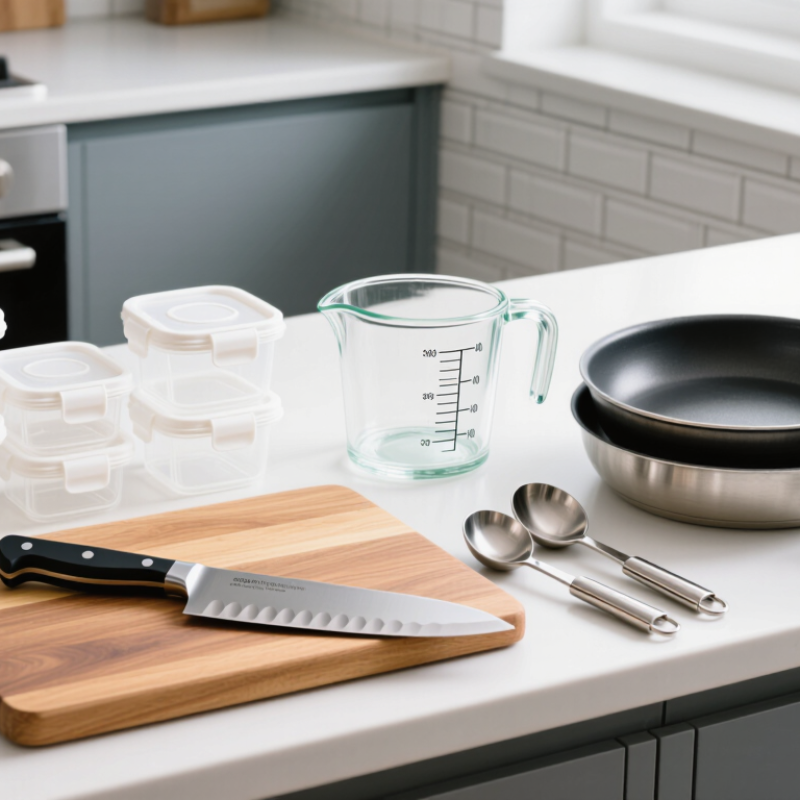
A useful kitchen is not built by buying every new gadget. The best Kitchen Supplies for 2026 are the tools that make daily cooking safer, easier, and less wasteful. Think of a sharp chef’s knife, a sturdy cutting board, reliable measuring cups, and pans that heat evenly. These basics earn their place through repeated use, not glossy packaging.
This guide looks at supplies through practical criteria: material quality, comfort, cleaning needs, storage, and value over time. A pan should suit your stove and cooking habits. A knife should feel balanced in your hand, while food containers should seal securely and fit your shelves. Small details matter. Product features can vary, so check care instructions and manufacturer specifications before buying. That is useful.
New options may promise speed or convenience, but not every upgrade solves a real problem. A countertop appliance can save time in a busy home, yet take up space between meals. Even a well-reviewed tool may feel awkward in your own kitchen. That deserves a second thought. Rather than chasing a perfect checklist, consider what you cook, how often you clean, and what you already own. The recommendations ahead focus on dependable essentials and sensible additions, with room for different budgets and routines. No kitchen needs everything.
How Kitchen Supplies Are Evaluated for 2026
What Are the Best Kitchen Supplies for 2026?
How Kitchen Supplies Are Evaluated for 2026
The best kitchen supplies should perform reliably in real kitchens, not just look good on a shelf. Evaluation should cover material disclosure, sturdy construction, comfortable handling, and clear cleaning instructions. A pan handle should stay secure; a measuring cup should remain readable after repeated washing. Test claims deserve scrutiny. A glossy finish alone proves little.
Food safety offers practical benchmarks. The 2022 FDA Food Code specifies cold holding at 41°F or below and hot holding at 135°F or above. These rules govern food service, not household product certification, but they help assess thermometers and food-storage tools. USDA FSIS guidance sets 165°F as the safe minimum internal temperature for poultry. A useful thermometer should be easy to read and quick to check. For other tools, evaluators can compare published care instructions with repeated washing and everyday use. Results can vary; one test cannot represent every home.
Tips: Check labels for food-contact materials and care limits. Test grips with wet hands. Keep a simple record of wear, staining, and measurement accuracy. Small flaws matter. A scoring system is helpful, but subjective comfort still deserves honest attention.
What Are the Best Kitchen Supplies for 2026? - How Kitchen Supplies Are Evaluated for 2026
This comparison assesses common kitchen-supply types using material suitability, everyday performance, versatility, maintenance, and expected service life. Scores are qualitative rubric-based ratings, not results from laboratory testing; the best choice depends on cooking habits, budget, and care preferences.
| Kitchen Supply | Typical Material or Design | Best For | Evaluation Strengths | Trade-Offs and Care | Overall Score (out of 5) |
|---|---|---|---|---|---|
| Tri-ply stainless-steel saucepan | Stainless-steel interior and exterior with an aluminum core | Sauces, grains, reheating, and everyday stovetop cooking | Even heating from the bonded core; nonreactive cooking surface; generally suitable for a wide range of foods | Food can stick if the pan is not heated or lubricated appropriately; hand-drying helps limit water spots | 4.6 / 5 |
| Carbon-steel skillet | Seasoned carbon steel | Searing, browning, and high-heat stovetop cooking | Responds relatively quickly to temperature changes; can develop a naturally slick cooking surface with proper seasoning | Requires drying and periodic seasoning; prolonged contact with acidic foods may affect the seasoning layer | 4.3 / 5 |
| Enameled cast-iron Dutch oven | Cast iron coated with vitreous enamel | Braises, soups, stews, and oven cooking | Retains heat well; enamel does not require seasoning and is suitable for many acidic recipes | Heavy to lift; enamel can chip if handled roughly, and gradual heating helps reduce thermal stress | 4.4 / 5 |
| Borosilicate-glass food containers | Heat-resistant glass with fitted lids | Food storage, leftovers, and reheating when the container is labeled for that use | Nonporous glass resists staining and odor retention; contents are easy to see | Heavier and more breakable than many plastic alternatives; avoid sudden temperature changes unless the product instructions permit them | 4.2 / 5 |
| Hardwood cutting board | Dense hardwood, such as maple, with a stable construction | Routine chopping and food preparation | Durable with appropriate care; provides a stable cutting surface and can be resurfaced if the design allows | Needs hand-washing and thorough drying; periodic food-safe oiling helps limit drying and cracking | 4.1 / 5 |
| Heat-resistant silicone spatula | Food-grade silicone, preferably with a secure, seamless head-to-handle design | Scraping bowls, folding mixtures, and use with coated cookware | Flexible edges reach into corners; soft material is less likely to scratch delicate coatings | Inspect for cracks, loose joints, or damage; heat limits vary, so follow the product’s stated temperature rating | 4.0 / 5 |
| Fast-response digital food thermometer | Digital probe with a readable display | Checking meat, fish, baked goods, and reheated foods | Supports more reliable doneness checks than judging by appearance alone; useful across many cooking methods | Clean and sanitize the probe between uses; accuracy depends on correct placement and periodic checks as recommended by the manufacturer | 4.5 / 5 |
| Digital kitchen scale | Electronic scale with a flat weighing platform and tare function | Measuring baking ingredients and portioning food | Weight-based measurements improve repeatability; tare function makes it easier to weigh ingredients in a bowl | Requires batteries or charging; keep the platform clean and dry, and check the stated capacity and measurement increments before purchase | 4.4 / 5 |
Related Posts
-
Top 10 Essential Commercial Kitchen Supplies You Need Today?
-

Unlocking the Secrets: A Comprehensive Guide to Sourcing Quality Kitchen Supplies Globally
-

Enhancing Efficiency in Your Restaurant with Commercial Kitchen Equipment Benefits
-

7 Essential Food Service Supplies Every Global Buyer Should Know About
-
Essential Kitchen Supplies for Home Chefs to Elevate Their Cooking Experience
-
Why Kitchen Supplies are Essential for Every Home Cook's Success