
What Is the Best Heated Base Layer for 2026?
Choosing the best Heated Base Layer for 2026 means looking beyond the highest temperature setting. A useful model should warm the areas that cool fastest, fit comfortably beneath a jacket, and let you adjust heat without stopping outdoors. Battery life matters, too. A warm start is not enough.
Dr. John Castellani, a researcher in cold-weather physiology, offers a relevant takeaway, paraphrased here: staying warm also means managing moisture and avoiding unnecessary overheating. That principle helps frame this guide. A heated layer should support comfort, not replace sensible clothing choices or careful attention to changing conditions. Sweat can make a cold stop feel much worse.
We will compare heating coverage, controls, fabric, battery performance, fit, and care requirements. We will also consider the small details that matter on a real day outside: whether a controller presses under a backpack strap, whether sleeves ride up, and how easy it is to change settings with gloves on. Check the specifications. Then check the fit.
No single layer suits every body or activity. A commuter waiting at a windy bus stop may value quick, even warmth, while a hiker may prioritize low bulk and adjustable output. Product claims can be tempting, but published runtime depends on settings and conditions. The best choice is the one that feels comfortable in your routine, not just impressive on a product page. We’ll weigh those trade-offs carefully, while noting where available information leaves room for doubt.
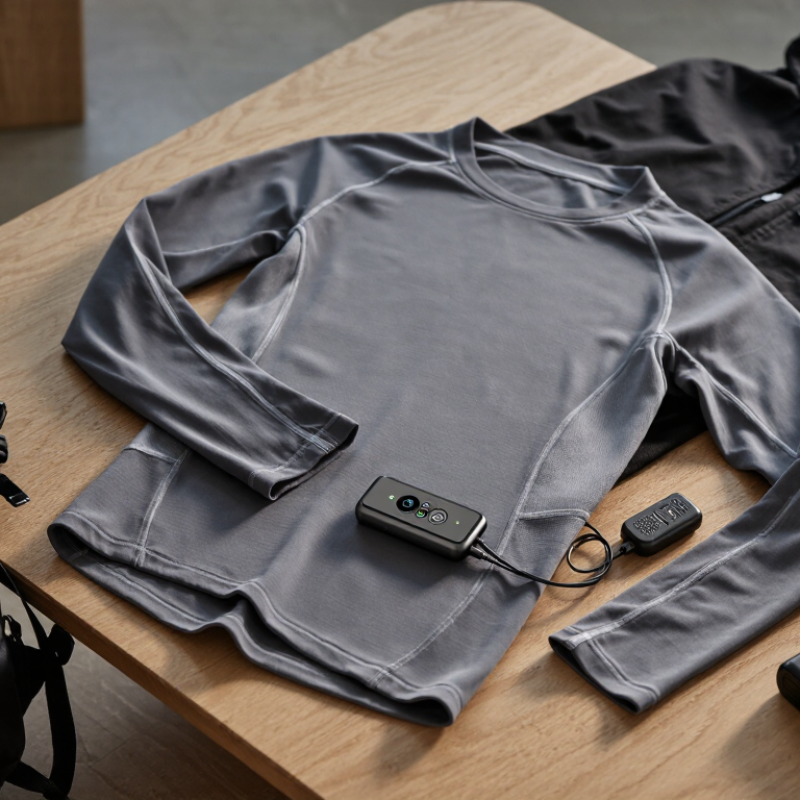
What a Heated Base Layer Is and How It Works
A heated base layer is a close-fitting garment with small heating elements built into the fabric. Unlike an ordinary thermal shirt, it uses a rechargeable battery to create adjustable warmth. Thin wires or conductive printed paths are commonly placed across the chest, back, or other areas. A small controller lets the wearer select a heat level. Some garments also regulate output as conditions change.
The warmth comes from direct contact, so fit matters. A loose layer may feel less even, while a tight one can restrict movement. That matters. Under a jacket, the garment can help take the edge off a cold chairlift ride or a windy walk. It does not replace insulating layers, and a battery can run down faster on higher settings. Damp fabric may also feel clammy, even when the heater is working. Check the care instructions before washing, and inspect the wiring and battery connections for damage. There is a trade-off: extra warmth can mean extra bulk, charging, and one more control to manage. Comfort is personal, too; a setting that feels mild indoors may feel intense during activity.
Key Features to Compare in Heated Base Layers
What Is the Best Heated Base Layer for 2026?
Key Features to Compare in Heated Base Layers
Compare fit, heat zones, battery performance, and fabric care—not just the highest temperature setting. A close, comfortable fit helps warmth reach your core without restricting movement. Check whether heat covers the chest, back, or both. Cold fingers may still need separate insulation. Small detail. Big difference. The Outdoor Industry Association’s 2024 Outdoor Participation Trends Report counted 175.8 million U.S. outdoor participants in 2023, or 57.3% of the population. That figure describes participation, not heated-layer performance, but it shows why comfort across changing outdoor conditions matters.
Battery claims need context. Ask how long the garment runs on each setting, and whether that test reflects cold-weather use. A compact battery may feel less bulky, yet offer shorter runtime. Check its placement, charging method, and whether the heating elements remain protected during washing. Look for clear care instructions and recognized electrical safety testing. Do not assume that a higher heat setting means better comfort; steady, adjustable warmth may be more useful. This comparison is imperfect: sizing, layering, and weather can change how a garment feels.
Tips: Test the fit over a thin shirt, then add your usual mid-layer. Start on low heat and check for pressure points around the battery pocket before heading outside.
How to Choose the Right Fit, Fabric, and Heating Zones
A heated base layer works best when it fits close to the skin without pulling across your shoulders or ribs. Fit comes first. Too much room can leave heated panels sitting away from your body; a tight fit may restrict movement or feel uncomfortable under a jacket. Try reaching overhead and bending at the waist before choosing a size. Check sleeve and torso lengths, since exposed wrists or a rising hem can let warmth escape. Sizing varies by cut, so measurements matter more than the label.
Fabric affects comfort as much as warmth. Merino blends can feel soft and help manage moisture, while synthetic fabrics often dry quickly after activity. Look for flat seams and a smooth interior, especially if you’ll wear the layer all day. Heating zones should match your needs: panels across the chest and back can suit cold commutes, while broader coverage may help during slow outdoor tasks.
Not always. More zones do not automatically mean better comfort.
Consider whether controls are easy to reach through outer layers, and check the care instructions before washing. One detail is easy to overlook: even heat can feel uneven when a backpack presses against one panel. Test the layer with your usual pack, and adjust the fit or settings if hot spots appear.
Battery Life, Safety, and Care Considerations
Battery life matters most when the day runs longer than expected. A heated base layer may last several hours on low, but high settings can drain a battery much faster. Cold weather and an aging battery can reduce runtime too. Check the maker’s stated range, then treat it as an estimate, not a promise. Cold changes the math. Carrying a charged spare may help on remote or especially cold outings, but it adds weight and needs secure storage.
Safety deserves more attention than the heat setting. Read the garment and battery instructions before use, and inspect the wiring, connectors, and battery case for damage. Stop using the system if it behaves oddly, gets unusually hot, or shows visible damage. Keep the battery dry and protected from crushing or sharp objects. Use only the charging method specified for that system, and avoid charging a wet or damaged battery. Small details matter.
Care affects both comfort and useful life. Remove the battery and cables if the instructions allow, then follow the garment’s washing label exactly. Some fabrics need a gentle cycle; others should not be machine-washed. Never assume the heating elements can tolerate soaking or high dryer heat. Let the garment dry fully before reconnecting power. A slight inconvenience is worth it. Heated clothing can feel reassuring, but it is easy to rely on it too much; layers, a weather check, and a backup plan still matter.
Which Heated Base Layer Best Suits Each Use Case in 2026
The best heated base layer depends less on maximum heat than on how you move. The Outdoor Foundation’s 2024 Outdoor Participation Trends Report estimated that 175.8 million Americans took part in outdoor recreation in 2023. That broad audience includes commuters, hikers, and people spending long hours outdoors. Their needs differ.
For winter commuting, choose a lightweight, close-fitting layer with simple controls under a coat. For hiking or skiing, prioritize breathable fabric and adjustable heat; hard climbs can make a warm base layer feel clammy. Stationary outdoor work calls for more sustained warmth, a comfortable fit, and battery placement that won’t press against a pack or tool belt. Fit matters. A layer that bunches at the waist can become irritating after hours.
The National Weather Service’s wind-chill chart warns that exposed skin may develop frostbite in 30 minutes at a wind chill of -15°F. A heated layer helps manage comfort, but it does not replace wind protection or dry insulating layers. Check care instructions and battery runtime at the heat setting you’ll actually use. I would not trust a “全天” runtime claim without testing it in the cold; battery performance varies, and real use is rarely tidy.
| Use Case | Best-Fit Layer Type | Typical Heating Coverage | Indicative Runtime | Fit and Fabric Priorities | Main Trade-Off |
|---|---|---|---|---|---|
| Cold-weather hiking | Lightweight, close-fitting heated top with adjustable heat settings | Usually the chest or upper back; some designs heat both areas | About 4–10 hours, depending on battery capacity, heat setting, and conditions | Moisture-wicking fabric, low bulk under a shell, and enough stretch for unrestricted movement | Battery weight and added insulation can feel uncomfortable during strenuous climbs |
| Skiing and snowboarding | Stretch base layer designed to sit smoothly beneath an insulating mid-layer | Commonly the chest and back, where warmth can support the core | About 3–8 hours; cold temperatures may reduce battery performance | Snug fit, flat seams, flexible fabric, and a battery pocket that does not interfere with a pack or ski layers | Heat may be less noticeable during vigorous runs, and battery placement needs to be comfortable under outerwear |
| Motorcycling and other high-wind activities | Close-fitting heated undershirt with a secure, low-profile battery pocket | Typically chest and back; coverage varies by garment | About 3–8 hours, varying with heat level and battery size | Smooth construction beneath protective clothing and a fit that stays in place when seated | A heated layer does not replace windproof outerwear; high heat settings use battery power faster |
| Outdoor work in sustained cold | Durable heated top with easy-to-reach controls and replaceable or rechargeable batteries | Often the chest and upper back, with some options offering additional heated zones | About 4–10 hours on lower or moderate settings; less on high | Comfortable under workwear, robust stitching, and a battery pocket protected from snagging | Frequent washing and rough use can shorten garment life; follow the care instructions carefully |
| Cold-weather camping and stationary breaks | Midweight heated top used beneath an insulating layer | Core-focused heating, commonly across the chest and back | About 3–8 hours; carrying a spare compatible battery can extend use | Soft fabric, comfortable seams, and enough room for a warm mid-layer without restricting movement | Heating is not a substitute for a suitable sleeping system or adequate insulation when inactive |
| Everyday cold sensitivity and commuting | Thin, discreet heated undershirt with simple controls | Usually one or two core areas rather than full-body coverage | About 5–10 hours on low settings, depending on the battery and environment | Lightweight fabric, unobtrusive wiring, and a comfortable fit beneath ordinary clothing | Heat output and coverage are generally more limited than in heavier outdoor-focused layers |
| Selection note: No single heated base layer is best for every activity. Runtime figures are indicative ranges, not guarantees; actual performance depends on battery capacity, heat setting, ambient temperature, garment design, and battery condition. Check the garment’s care, safety, and battery instructions before use. | |||||