
What Are the Best Female Dog Nappies?
Choosing the best Female Dog Nappies is less about packaging and more about comfort, fit, and reliable moisture control. A useful nappy should sit securely around the waist without rubbing the vulva, restricting movement, or slipping during sleep. Disposable options may suit travel, heat cycles, or sudden accidents. Washable designs can reduce waste and long-term costs. However, they need thorough cleaning after every use.
The market is becoming more visible. Grand View Research reports continued growth in the global pet diapers market, supported by rising pet ownership and stronger spending on animal care. The American Pet Products Association also reported that 66% of U.S. households owned a pet in 2023–2024. These figures do not prove that every dog needs nappies. They do show a wider demand for practical, humane care products.
Veterinarian Dr. Jerry Klein of the American Kennel Club offers an important reminder: “Dog diapers should not be used as a substitute for veterinary care.” That point matters. Frequent wetness can cause redness, urine scald, or infection. A suitable product must therefore be breathable, correctly sized, and changed promptly.
Small details matter most.
This guide compares Female Dog Nappies through absorbency, closure strength, washing demands, leakage protection, and skin comfort. It also considers real-life situations, such as a senior dog resting on a fabric sofa or a female dog moving outdoors during her heat cycle. No product is perfect. The best choice depends on the dog, the routine, and the owner’s willingness to monitor fit and hygiene.
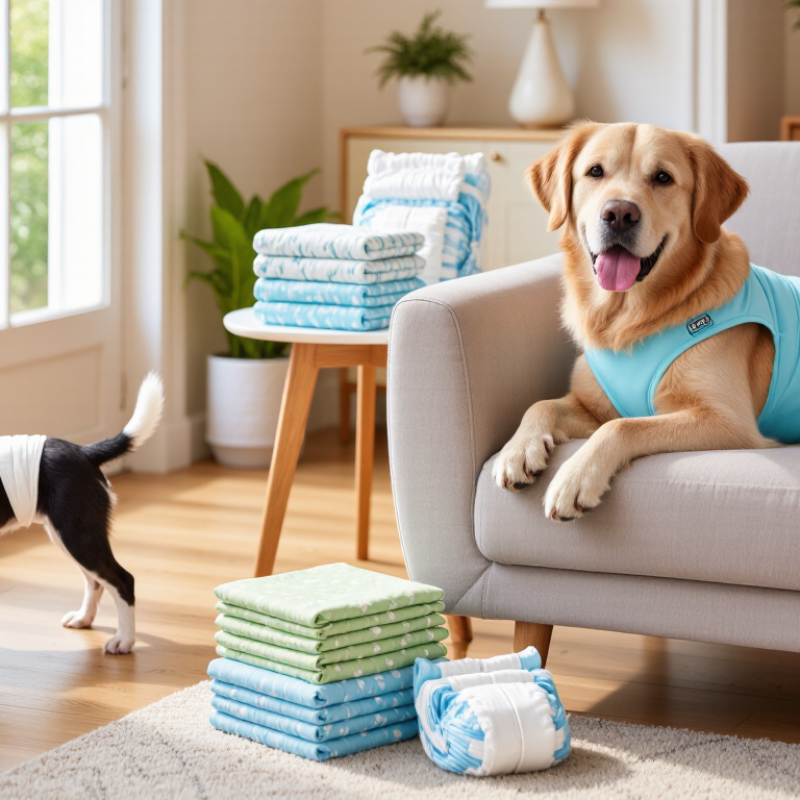
Understanding When Female Dogs Need Nappies
What Are the Best Female Dog Nappies?
Female dogs may need nappies during heat cycles, especially when spotting reaches carpets, bedding, or car seats. A nappy can also help dogs with urinary incontinence caused by age, illness, medication, or nerve problems. It is not a treatment. Sudden leaking deserves a veterinary examination, particularly with increased thirst, pain, straining, or unusual urine.
Choose a nappy that fits snugly around the waist without pressing the tail or rubbing the vulva. Adjustable fastenings help because body shapes vary widely. Absorbent materials are useful, but breathability matters too.
Change the nappy when it becomes wet or soiled. Leaving moisture against the skin may cause redness, sores, or secondary infection. Keep the surrounding fur clean and dry.
A common mistake is treating nappies as permanent toilet training. They are only a management tool. Some dogs tolerate them after gradual practice, while others chew or reject them. Begin with short periods and reward calm behaviour. Never restrict normal outdoor bathroom breaks.
During a dog’s heat cycle, nappies may reduce household mess, but they do not prevent mating or infection. I would also avoid assuming every discharge is normal; unusual colour, strong odour, weakness, or fever needs prompt veterinary advice. The best choice is the one your dog can wear safely, move comfortably in, and have changed regularly.
Comparing Disposable, Washable, and Reusable Dog Nappies
Female dog nappies work best when the choice matches the dog’s routine, not just the owner’s convenience.
The 2023–2024 National Pet Owners Survey from the American Pet Products Association reports that 66% of U.S. households own a pet. That large population includes dogs managing heat cycles, light urinary leakage, or recovery-related accidents. Needs vary widely.
Disposable nappies are practical for travel, overnight use, and sudden leakage. They absorb well and require no washing, but repeated use creates more household waste.
Washable nappies use fabric layers and adjustable fasteners. They suit regular home use, especially when owners can wash them promptly. Reusable designs may include removable liners, which reduce drying time and make fitting easier. In my experience, a soft inner layer matters more than a decorative shape.
Fit is critical. Two fingers should slide beneath the waistband. Too loose, and leakage reaches bedding; too tight, and rubbing may appear around the legs. Change the nappy every few hours, then check the skin for redness or dampness. Veterinary hygiene guidance commonly stresses keeping moisture away from skin, although individual timing depends on urine volume and the dog’s health. I would not treat nappies as a solution for unexplained incontinence. That assumption is easy to make. A veterinary examination is safer, particularly when leakage starts suddenly. The best option may also change between home, transport, and sleep.
Choosing the Right Size, Fit, and Absorbency
Choosing the best female dog nappy begins with accurate measurements, not breed assumptions. Measure around the waist, just ahead of the hind legs, while your dog stands naturally. Record the number without pulling the tape tightly. Weight charts can help, but they are only a starting point because body shapes vary widely.
A good fit stays secure without pressing into the skin. You should slide two fingers beneath the waistband. The leg openings should follow the body without leaving red marks or gaps. A nappy that shifts during walking will leak, even when its absorbent core is excellent.
I check the fit after ten minutes of movement, because some problems appear only when a dog sits or curls up. This step is easy to forget.
Absorbency should match the situation. Light liners may suit short indoor periods or mild spotting, while thicker inserts are better for overnight use or heavier discharge. Look for a wide absorbent area beneath the vulva, not only padding at the center.
Change the nappy regularly, and inspect the skin for dampness, swelling, or irritation. Veterinary guidance is sensible if discharge smells unusual or appears with pain, fever, or repeated licking. I once assumed a tighter fit meant better protection; it caused discomfort instead. Comfort must remain part of the measurement.
Evaluating Comfort, Hygiene, and Leak Protection
Female dog nappies should feel like soft underwear, not a tight plastic shell. Comfort begins with accurate waist and leg measurements. Leave two fingers beneath the waistband. The opening should protect the vulva without rubbing the tail base. According to the 2023–2024 APPA National Pet Owners Survey, about 65 million U.S. households own dogs. That scale matters, but popularity does not prove comfort or safety. A nappy can still trap heat, slide sideways, or irritate sensitive skin.
Hygiene depends on changing frequency more than absorbency claims. Veterinary guidance from the Merck Veterinary Manual stresses keeping incontinent dogs clean and dry to reduce urine scald and secondary skin problems. Check the nappy every two to four hours during daytime use. Change it immediately after heavy wetting. Look for redness, damp fur, or a sour smell. Use plain lukewarm water for cleaning, then pat the area completely dry. Avoid heavily scented wipes. Dogs may lick the residue.
Leak protection needs practical testing. Pouring water into a product is not enough. Observe a female dog walking, resting, and curling on her side. The inner pad should cover the urination area without pressing against the vulva. A 2024 pet-care market report from Grand View Research indicates continued growth in disposable pet hygiene products, yet market growth cannot confirm real-world performance. My less perfect view is simple: even a well-fitted nappy may leak after loose stools, restless sleep, or a poorly positioned tail. Recheck the fit after movement.
What Are the Best Female Dog Nappies? - Evaluating Comfort, Hygiene, and Leak Protection
| Nappy Type | Comfort | Hygiene and Maintenance | Leak Protection | Breathability | Typical Use | Important Fit Features | Overall Suitability |
|---|---|---|---|---|---|---|---|
| Reusable washable nappy | ★★★★☆ Soft fabric can be comfortable when correctly fitted. | Must be washed after each soiling. A removable absorbent pad can simplify cleaning. | ★★★★☆ Good for urine when the inner absorbent layer and leg openings fit securely. | ★★★★☆ Fabric options may allow more airflow than plastic-backed designs. | Regular daytime use and light-to-moderate urinary leakage. | Adjustable waist, snug but non-tight leg openings, and enough coverage around the vulva. | Best balance for owners who want a reusable option and can maintain frequent washing. |
| Disposable dog nappy | ★★★★☆ Usually lightweight, but prolonged moisture can cause rubbing. | Designed for one-time use; replace promptly after wetting or soiling to reduce skin irritation. | ★★★★★ Absorbent cores and leak barriers can provide strong short-term protection. | ★★★☆☆ Water-resistant layers can reduce airflow. | Travel, heat cycles, short outings, and situations where washing is inconvenient. | Correct waist size, soft leg gathers, secure fasteners, and a tail opening that does not pull. | Best for convenience and reliable short-duration leak control. |
| Washable nappy with a replaceable liner | ★★★★☆ The outer garment stays in place while the liner manages moisture. | Replace the liner when wet and wash the outer garment regularly. Keep spare liners available. | ★★★★☆ Performance depends on liner absorbency and how well the garment seals around the legs. | ★★★★☆ Often more comfortable than leaving a fully saturated garment against the skin. | Extended daytime wear when frequent liner changes are practical. | Secure liner placement, a waterproof but flexible outer layer, and adjustable fastening. | A practical compromise between reusable economy and easier hygiene management. |
| Belly-band-style adaptation | ★★☆☆☆ Generally designed for male anatomy and may not cover a female dog's vulva. | Can be washed or discarded depending on construction, but coverage may be insufficient. | ★☆☆☆☆ Usually unsuitable for female urinary leakage because the absorbent area is positioned incorrectly. | ★★★☆☆ May provide airflow, but comfort does not compensate for poor coverage. | Not recommended as the primary option for female dogs. | Do not use unless specifically designed and tested for the dog's anatomy. | Generally unsuitable for female dogs requiring vulva coverage. |
| Overnight or high-absorbency nappy | ★★★☆☆ More padding can feel bulky and may restrict movement if oversized. | Requires frequent checking despite higher capacity; moisture should not remain against the skin for long periods. | ★★★★★ Useful for heavier urine loss when correctly sized and changed as needed. | ★★☆☆☆ Thicker absorbent materials and waterproof layers may reduce ventilation. | Short rest periods, transport, or heavier leakage under supervision. | Wide absorbent panel, secure leg seals, and enough room for movement without sagging. | Best for higher-volume leakage, but not a substitute for veterinary assessment. |
| Period or heat-cycle nappy | ★★★★☆ Comfortable when it stays dry and does not chafe. | Change frequently and inspect the skin for redness, dampness, or discharge. | ★★★★☆ Suitable for light blood spotting; not intended to contain large volumes of urine. | ★★★☆☆ Breathability varies with the fabric and protective backing. | Managing spotting during a female dog's heat cycle. | Correct vulva coverage, soft edges, a secure tail opening, and enough room for normal defecation. | Best for heat-cycle spotting when changed regularly and supervised. |
Ratings are comparative guidance rather than laboratory test results. Check the nappy every few hours, change it immediately when wet or soiled, and allow the skin to remain clean and dry. Persistent urinary leakage, blood in the urine, foul-smelling discharge, skin sores, or sudden changes in urination should be assessed by a veterinarian.
Using and Maintaining Female Dog Nappies Safely
Choosing the best female dog nappy starts with safety, not absorbency.
A correct fit should allow two fingers beneath the waistband without slipping. Check it every two hours, especially after drinking, sleeping, or outdoor walks.
Change it immediately when wet or soiled. Damp fabric can trap urine against the skin, causing redness, yeast growth, or painful urine scalding.
The Merck Veterinary Manual identifies moisture-associated skin irritation as a preventable hygiene concern, but each dog’s tolerance differs.
Wash reusable nappies with unscented detergent and dry them completely. Wipe the vulva gently with warm water, then pat the area dry.
Avoid talcum powder, essential oils, and strongly perfumed cleaners. Give your dog regular nappy-free breaks in a washable area.
Never use a nappy to manage suspected urinary disease, abnormal discharge, or continuous bleeding.
The American Animal Hospital Association recommends veterinary assessment when urinary changes persist, because leakage may indicate infection, hormonal disease, or bladder problems.
The American Pet Products Association’s 2023–2024 survey reports that 66% of U.S. households own a pet, yet broad ownership data cannot replace individual veterinary advice.
I have found that owners often focus on preventing floor stains and overlook skin checks. That mistake is easy to make.
Stop using the nappy if your dog seems distressed, develops sores, or repeatedly chews the fastening.